Email Us
News
News

Why Brochure Labels Are Essential for Multi-Channel Marketing

2026-10-13 0 Leave me a message

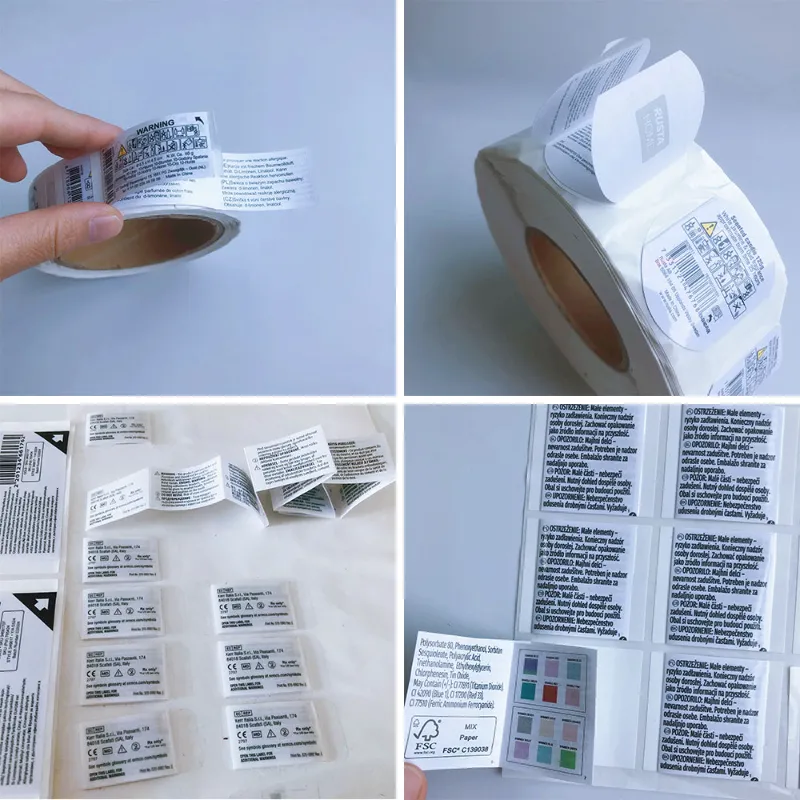
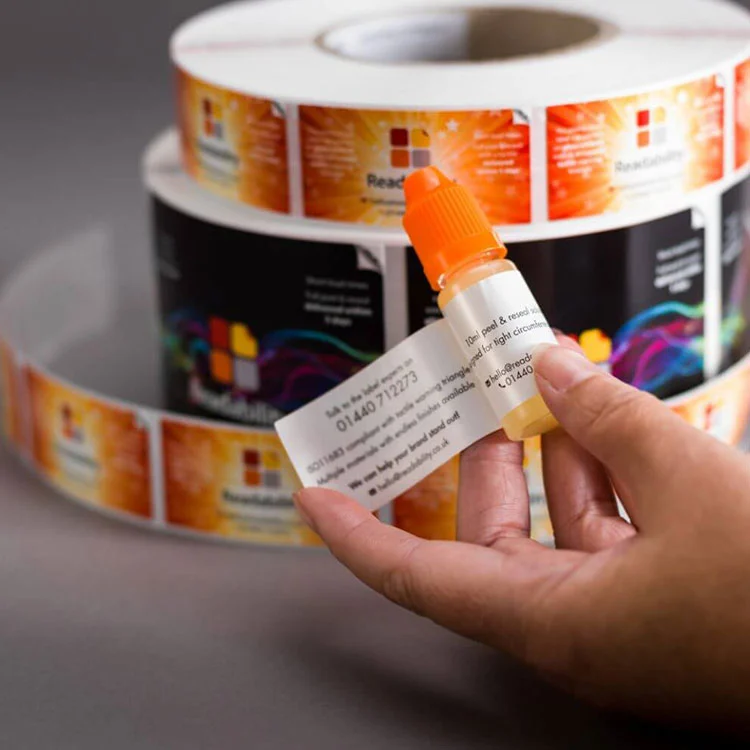
When products are sold through retail stores, e-commerce platforms, and international distribution networks, packaging labels must do more than identify a brand. They may also need to communicate product instructions, ingredient details, safety warnings, multiple languages, and promotional messages. Brochure Labels use fold-out or multi-panel constructions to increase information capacity while helping brands manage limited packaging space.

For manufacturers of cosmetics, pharmaceuticals, food, personal care products, and chemicals, limited label space can lead to crowded text, difficult-to-find instructions, or the need to create multiple packaging versions for different markets. A properly designed brochure label can organize this content into clear sections. The final solution should still be evaluated against package dimensions, regulatory requirements, label construction, and the intended application method.

At JOJO Pack, we treat Brochure Labels as part of the overall packaging information system. Beyond printable area, a successful design requires careful consideration of panel layout, face material, adhesive, printing processes, and label application, so the approved design can be produced and used reliably.

How Brochure Labels Support Multi-Channel Marketing

More Information Within Limited Packaging Space

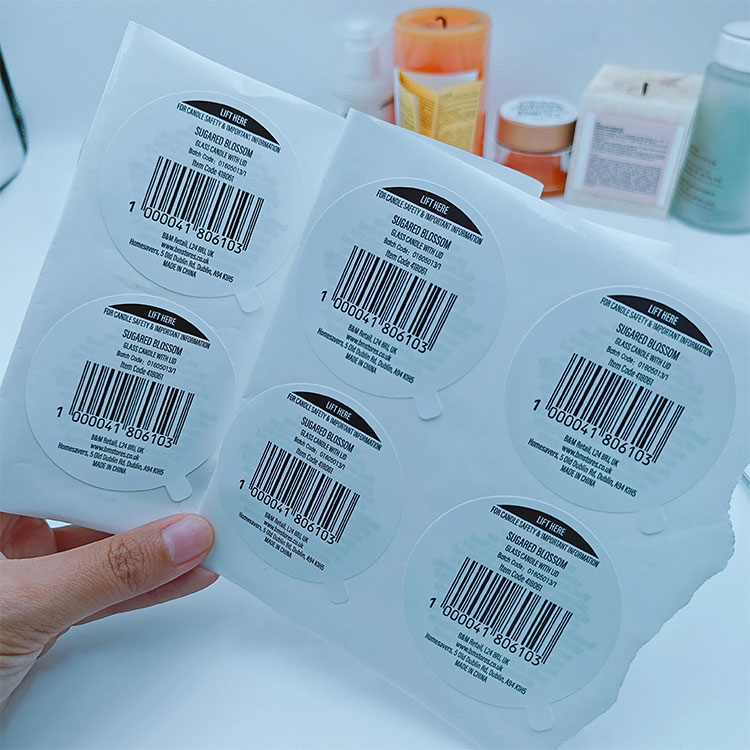
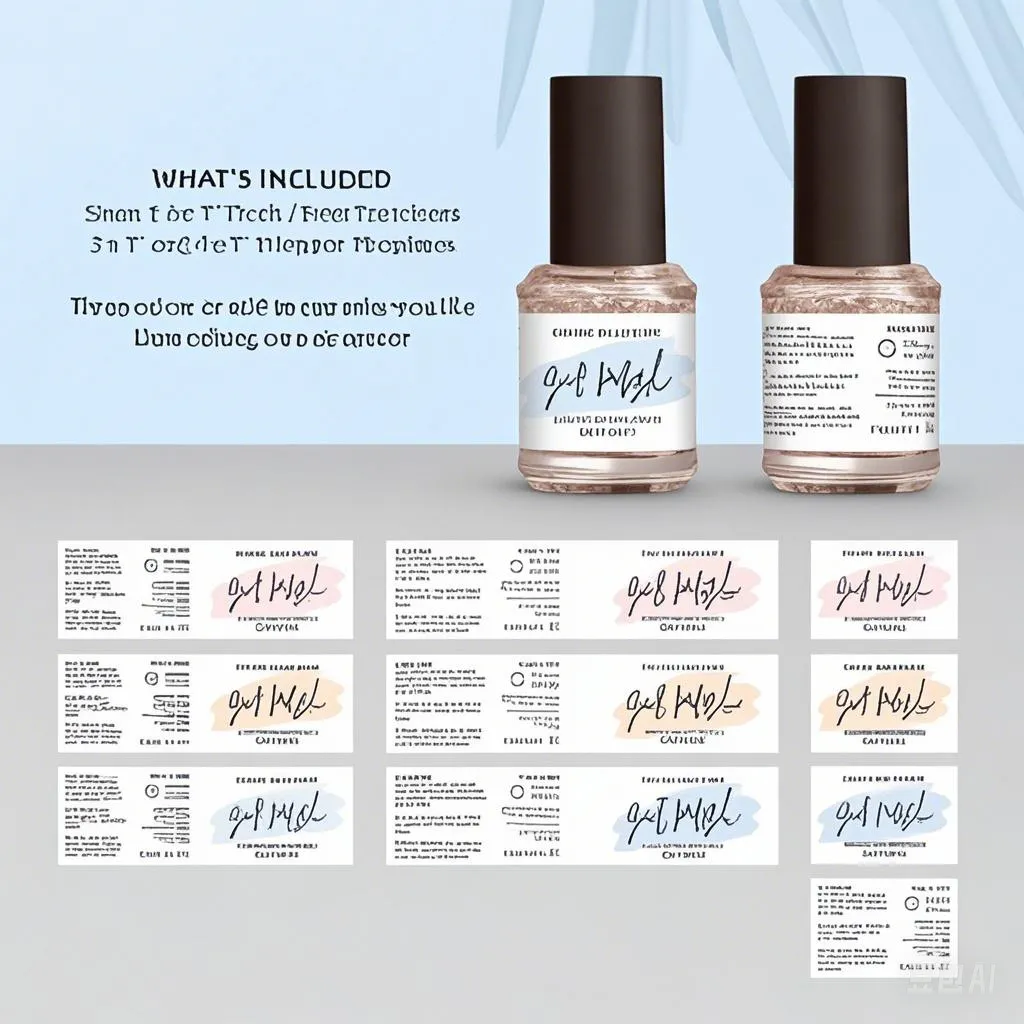
Brochure Labels can provide additional panels for instructions, multilingual descriptions, product features, QR codes, and promotional content. This is particularly useful for small cosmetic containers, personal care products, and consumer goods that require information in several languages. The format helps avoid placing every detail on the front-facing area of the package.

During design, we recommend separating mandatory information from supporting marketing content. Product identification and critical warnings should remain easy to locate, while extended instructions, supplementary descriptions, and promotional messages can be placed on fold-out panels. This hierarchy helps preserve readability and reduces visual clutter.

Consistent Branding Across Markets and Sales Channels

A product may be sold through a brand website, online marketplaces, physical retailers, and overseas distributors. Brands can maintain consistent logos, core colors, product names, and visual identity while adapting extended label content to regional languages or market requirements. This can simplify packaging management across channels and help customers recognize the same product in different markets.

Localization should involve more than direct translation. Before production, buyers should verify applicable local labeling rules, warning statements, ingredient terminology, font legibility, and other required information. Maintaining approved artwork versions also helps reduce the risk of incorrect or outdated content being printed.

Clearer Access to Product Information

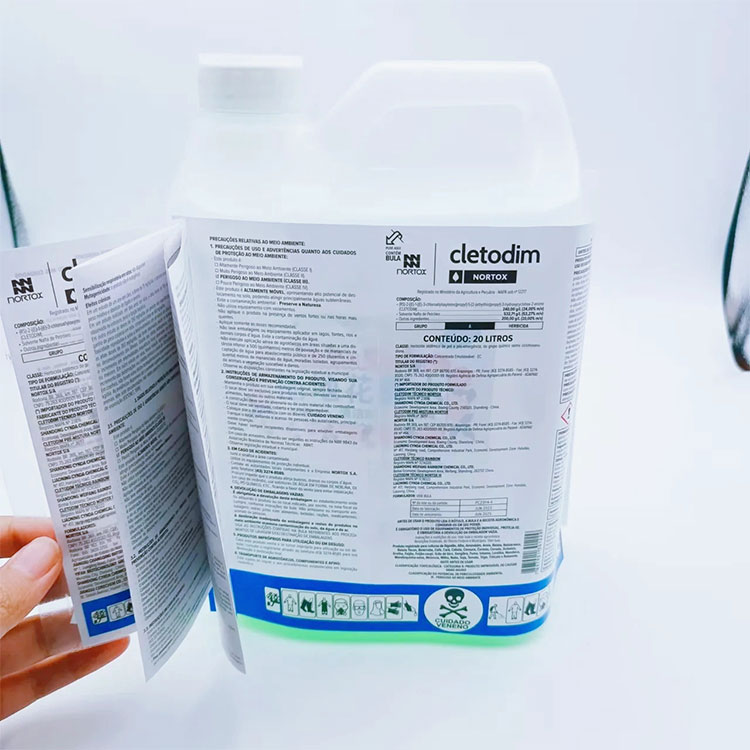
A well-planned panel sequence guides customers from basic product identification to instructions, precautions, and additional details. For products whose instructions may need to be consulted more than once, the construction can be designed to allow the label to be reopened or reattached where appropriate. However, repeat-opening performance depends on the construction, adhesive, package surface, and number of opening cycles; it should not be assumed for every brochure label.

Space for Promotions and Digital Content

Depending on the available panel area, brochure labels can include usage tips, product-range information, campaign messages, customer service details, and QR codes. QR codes should have sufficient clear space and contrast, and they should be tested at the final printed size. If the package may be exposed to moisture, oil, or abrasion, the print finish should also be evaluated to ensure the code remains readable under expected conditions.

Brochure Labels

Brochure Labels vs. Conventional Single-Layer Labels

Comparison Factor Conventional Single-Layer Label Brochure Label
Information Capacity Best suited to product names, brand identification, and concise descriptions. Additional panels can accommodate longer instructions, multilingual content, and supplementary product information.
Packaging Space More content may require a larger exposed label area or changes to the package design. Can increase information capacity within a relatively compact exposed area, depending on the fold-out construction.
Content Organization Main information is concentrated on one surface, which can limit layout flexibility. Brand messaging, instructions, warnings, and promotional information can be arranged across separate panels.
Multilingual Content Adding languages can reduce font size or make the layout harder to read. Extra panels can accommodate multiple languages, provided the text remains legible and compliant.
Typical Applications Products with straightforward information requirements and simple packaging. Products with extensive instructions, multilingual requirements, or limited packaging space.

A brochure label is not necessarily the best option for every product. A conventional label may be sufficient when the information requirement is limited. When regulatory content, operating instructions, or multilingual text exceeds the practical capacity of a single-layer label, a brochure construction may be worth evaluating. The decision should be based on information needs, package constraints, user experience, and total packaging cost.

Technical Factors to Confirm Before Ordering Brochure Labels

Brochure label performance depends on several factors working together. In addition to artwork, buyers should confirm the finished dimensions, fold design, face material, adhesive, package surface, and actual labeling conditions. The following points are useful to review during quotation and sampling.

Technical Factor What to Confirm Impact on Production and Use
Dimensions and Panel Layout Overall and unfolded dimensions, number of panels, fold positions, application area, and available package space. Ensures the content layout matches the physical construction and prevents critical text from crossing folds or cut lines.
Opening Construction Opening direction, access method, resealing requirements, and expected frequency of use. Affects ease of use, construction choices, and repeated-opening performance.
Face Material Paper or film, transparency, surface finish, flexibility, and durability requirements. Influences print appearance, handling, label flexibility, and suitability for the intended environment.
Adhesive and Package Surface Glass, plastic, metal, or paper surfaces; coatings, texture, contamination, application temperature, and conditions. Helps assess initial tack, adhesion over time, edge lifting, and peeling risks.
Environmental Resistance Exposure to water, condensation, oils, chemicals, friction, or temperature changes. Determines whether the face material, adhesive, and protective finish need testing under representative conditions.
Printing and Finishing CMYK or digital printing, brand color requirements, lamination, selected effects, and optional hot stamping. Influences color reproduction, fine-text clarity, surface durability, and final appearance.
Barcodes and QR Codes Final print size, clear space, contrast, encoded content, and scanning requirements. Codes should be validated at the actual finished size rather than judged only from a screen proof.
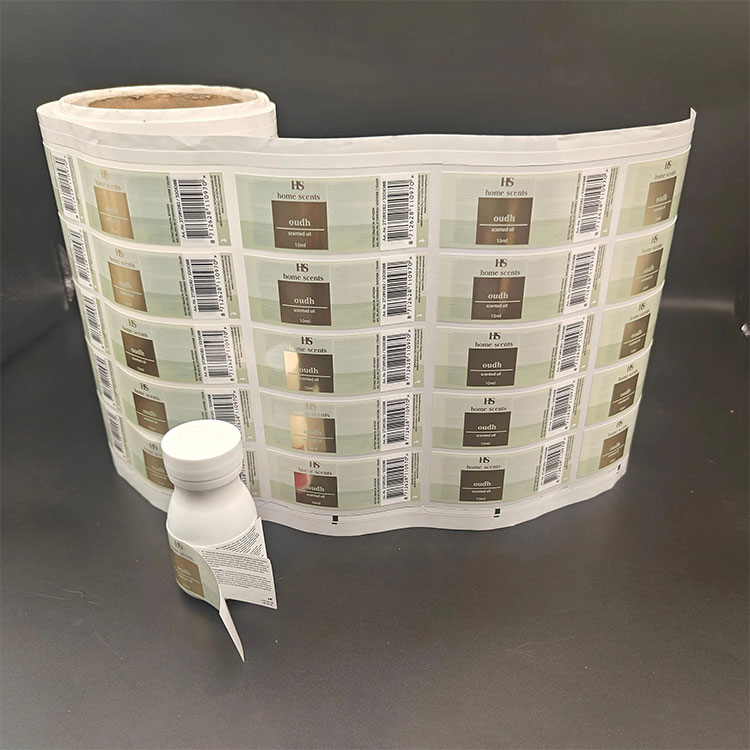
Application and Delivery Format Manual or automatic application, dispensing direction, core and roll dimensions, label spacing, and packaging method. Helps ensure compatibility with the customer's production line and reduces feeding, positioning, and converting issues.

What to Check During Sampling

Before mass production, we recommend testing samples on the intended packaging container. Review label adhesion, opening performance, readability, fold and die-cut accuracy, and barcode or QR code scanning. For labels with specific resistance requirements, define test methods according to the actual application rather than relying on appearance alone.

Multilingual artwork should be reviewed before layout approval and checked again in the final production file. Verify version control, warnings, ingredient text, and symbols, and keep critical information clear of folds, die-cut edges, and adhesive areas. The product owner should confirm the accuracy and regulatory suitability of all mandatory content.

Brochure Label Applications Across Industries

Industry Typical Information Requirements Key Design Considerations
Cosmetics and Personal Care Ingredients, directions for use, precautions, multilingual information, and brand messaging. Balance package appearance and readability while ensuring the label fits the bottle, jar, or other container surface.
Pharmaceuticals and Health Products Directions, dosage information, precautions, warnings, and multilingual text. Prioritize accuracy, legibility, and regulatory compliance, and ensure the construction does not obscure critical information.
Food and Beverages Ingredients, preparation or usage guidance, product descriptions, and market-specific information. Check material suitability and print performance against packaging surfaces, storage conditions, and applicable rules.
Chemicals and Lubricants Usage instructions, safety information, technical details, and product identification. Evaluate container surface compatibility and potential exposure to oils or chemicals under actual service conditions.
International Consumer Goods Multilingual copy, customer service details, QR codes, and regional promotional content. Maintain a consistent core brand design while controlling artwork versions for individual markets.

Material choices should reflect the intended application rather than follow a single standard across all products. A label applied to a dry paper carton may require a different face material and adhesive from one used on a container exposed to moisture, oils, or chemicals. For pharmaceuticals, food, and chemical products, buyers should verify applicable market requirements and confirm that the selected construction is suitable for the product and packaging conditions.

JOJO Pack's Brochure Label Design and Production Capabilities

JOJO Pack integrates label design, printing, post-press processing, and after-sales service. The company has approximately 30 years of printing experience, a factory covering about 18,000 square meters, and seven fully automatic production lines. Its equipment includes CMYK printing machines, digital printing machines, slitting machines, rewinding machines, hot stamping machines, and cutting equipment.

These capabilities support a range of label designs and finishing requirements. For each brochure label project, the practical combination of processes should be determined by the construction, material, order quantity, color requirements, and finished format. Not every process is suitable for every label design, so the final specification should be reviewed before production.

Production Stage Equipment or Capability Key Project Considerations
Printing CMYK and digital printing. Select the process based on artwork, color requirements, fine-text detail, and order quantity.
Slitting and Rewinding Slitting machines, rewinders, and related roll-converting processes. Confirm finished width, winding direction, roll diameter, core size, and labeling equipment requirements.
Finishing and Cutting Hot stamping, cutting equipment, and other applicable post-press processes. Check decorative placement, finished dimensions, and process feasibility against the approved design.
Custom Project Coordination Coordination across design, printing, and finishing. Confirm finished specifications, artwork versions, inspection criteria, and delivery requirements before production to reduce late-stage changes.

For custom Brochure Labels, detailed communication at the beginning of a project makes it easier to assess materials, construction, and converting methods. Artwork, finished dimensions, intended application, package material, language versions, and label application requirements should all be included in the specification. Reviewing these factors before sampling helps identify potential layout, adhesion, and production compatibility issues earlier in the process.

Related News
Leave me a message
Mobile
+86-13306484951
Address
No. 665 Yinhe Road, Chengyang District, Qingdao City, Shandong Province, China
X
We use cookies to offer you a better browsing experience, analyze site traffic and personalize content. By using this site, you agree to our use of cookies. Privacy Policy
RejectAccept