When packaging space is tight but your product still needs clear instructions, compliance text, multilingual details, promotional content, and brand storytelling, ordinary labels can quickly fall short. That is where Brochure Labels become especially useful. In this article, we explore how they work, why they solve common packaging frustrations, and what buyers should consider before choosing a supplier. We also explain how Shandong JOJO Pack Co., Ltd. supports businesses that need flexible, custom brochure label solutions for modern packaging demands.
Brochure Labels are multi-panel or fold-out labels designed to carry far more information than a traditional sticker without forcing brands to enlarge their packaging. They help companies solve common problems such as limited print area, multilingual instructions, changing regulations, user safety communication, and cleaner packaging presentation. For industries such as cosmetics, pharmaceuticals, food, household goods, chemicals, and promotional packaging, brochure labels offer a practical balance between function, readability, and brand appearance.
This article explains the main advantages of brochure labels, how they compare with standard labels, what design and material choices matter most, and how businesses can avoid costly ordering mistakes. It also includes a table, a planning outline, and a FAQ section to help purchasing teams, brand owners, and product managers make more confident decisions.
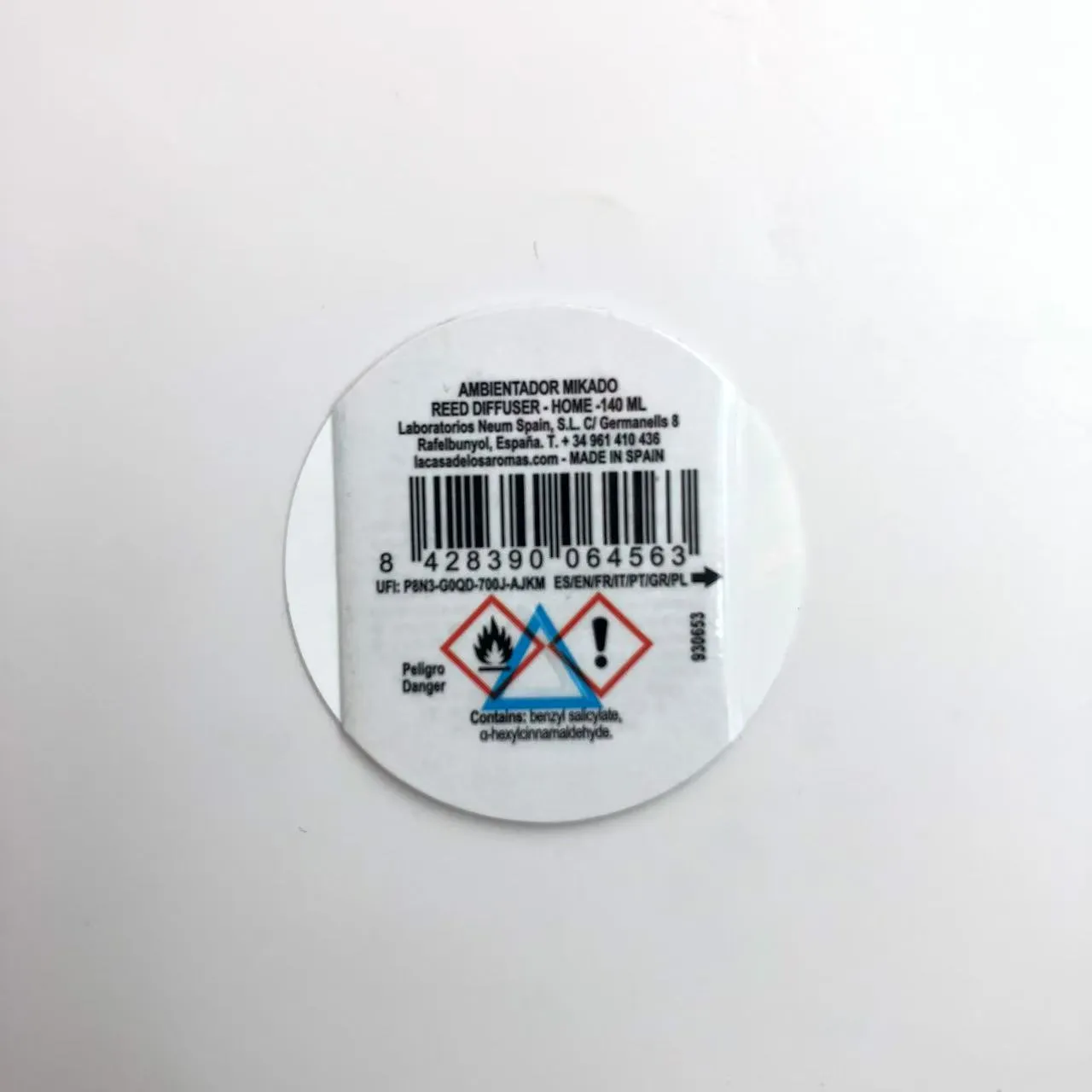
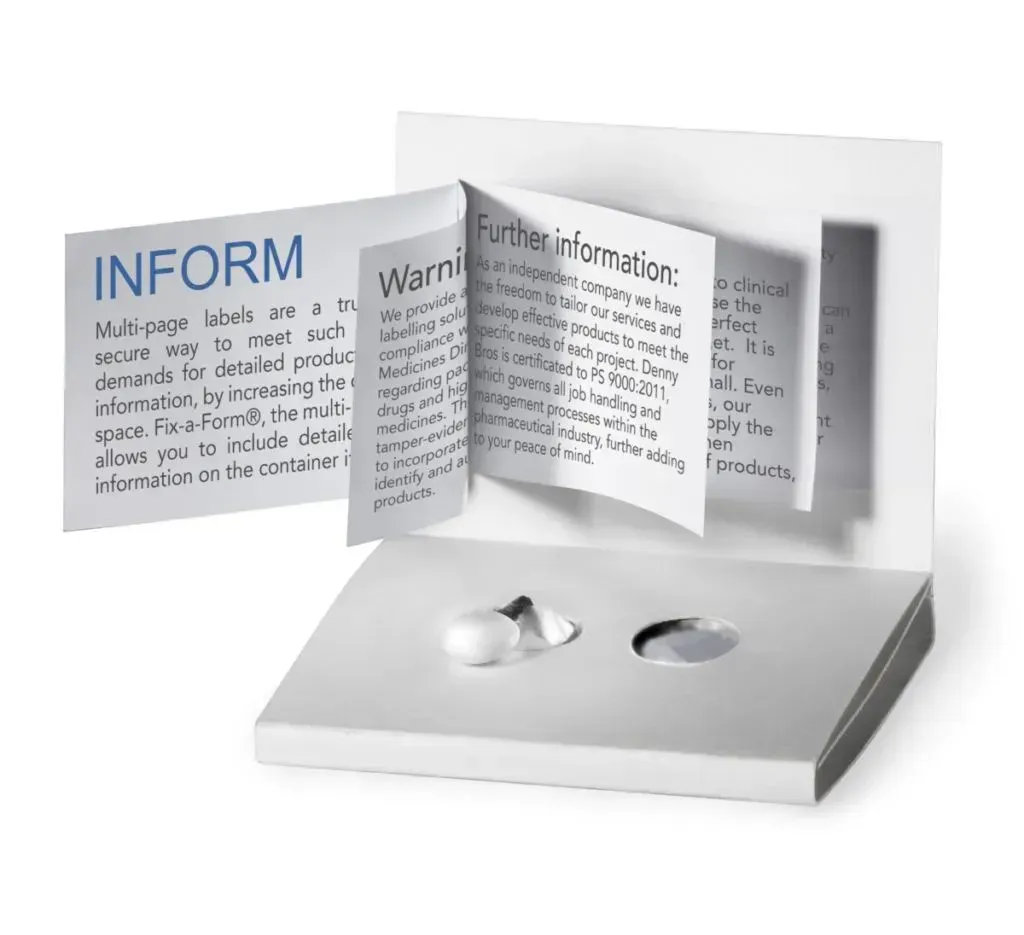
Brochure Labels are labels designed with expanded printable surfaces through folded, layered, or booklet-like structures. Instead of forcing all necessary information onto one visible face, they open to reveal additional panels. This makes them highly effective when the package itself is too small for all the content a product legally or commercially needs.
In practical terms, brochure labels can carry usage instructions, ingredients, warnings, multi-language descriptions, promotional messaging, anti-counterfeit information, QR codes, and brand education in one integrated format. Once closed, the package still looks neat and organized. Once opened, the customer gains access to the detailed content they need.
This balance between compact packaging and expanded communication is the reason many manufacturers are moving away from oversized cartons, loose inserts, or crowded surface printing. A well-made brochure label protects product presentation while improving the end user experience.
Many buyers start looking for brochure labels only after running into repeated packaging problems. The most common pain point is simple: there is too much important information and not enough room to print it clearly. When a brand tries to compress everything into one small label, the result is often unreadable text, poor visual hierarchy, and a frustrating customer experience.
Brochure labels address several real-world challenges at once:
For many companies, that last point matters more than expected. A brochure label is not only a technical labeling tool. It can also become a compact communication platform that helps customers understand how to use the product correctly, which reduces misuse, complaints, and unnecessary support inquiries.
A standard label works well when the content is short and the package offers enough room. But once instructions become more complex, brochure labels usually deliver far greater value. The difference is not just capacity. It is also about readability, user confidence, and packaging efficiency.
| Feature | Standard Labels | Brochure Labels |
|---|---|---|
| Information Capacity | Limited to one visible surface | Expanded through folded or layered panels |
| Readability | Can become crowded when content is long | Better content separation and easier reading flow |
| Packaging Appearance | May look cluttered if overprinted | Keeps the outside cleaner and more premium |
| Multilingual Use | Often difficult on small packaging | Well suited for multiple languages in one label |
| Need for Leaflets | May require separate inserts | Often reduces or replaces inserted paper sheets |
| Customer Guidance | Basic only | Can include detailed instructions and educational content |
For companies shipping to multiple markets or selling products that require clear explanations, brochure labels offer a practical way to improve both compliance and customer communication without redesigning the entire package.
While brochure labels can be adapted to many products, they are especially valuable in industries where users need more than a simple product name and barcode. Products with instructions, ingredients, warnings, or educational content often benefit the most.
In each of these industries, the real value lies in making important content accessible without damaging shelf appeal. Customers do not want packaging that feels overloaded, and brands do not want critical information to be ignored. Brochure labels help close that gap.
Not all brochure labels are built the same, and choosing the right structure matters. Buyers should think beyond size alone. Performance depends on the full combination of substrate, adhesive, fold structure, printing quality, durability, and opening experience.
The most important areas to review include:
Buyers often focus first on unit price, but the more important question is whether the label performs reliably in real use. A brochure label that opens poorly, tears too easily, or fails to close neatly can hurt the product experience. That is why design consultation and sample testing are worth taking seriously.
Helpful planning tip: Before finalizing artwork, divide your content into three layers: what must remain visible when the label is closed, what the user needs immediately after opening, and what can appear deeper inside as reference information. This simple structure makes brochure labels far easier to read.
Choosing a brochure label supplier is not only about machinery. It is also about communication, consistency, technical understanding, and the ability to translate product needs into a workable print solution. A supplier should be able to guide you on materials, construction, print feasibility, and production details before mistakes happen.
Shandong JOJO Pack Co., Ltd. is known for offering brochure label solutions as part of a broader printing and labeling capability. For buyers, this matters because brochure labels usually require coordination across design, printing, finishing, and post-production rather than a single isolated step.
When comparing suppliers, look for the following:
The strongest supplier relationships are built when the manufacturer helps prevent risk rather than simply accepting files and printing them as-is. That is particularly important for brochure labels, where structure and usability affect the final result as much as the artwork itself.
Many brochure label problems begin long before production starts. They usually come from rushed file preparation, unclear content priorities, or assumptions about how the label will be used in the field. Avoiding a few common mistakes can save both time and budget.
The best brochure label projects begin with a practical mindset: who will open the label, what information they need first, where the package will be stored, and how often the label must remain functional after opening. Those details shape a far better result than artwork alone.
Brochure Labels are more than an upgraded sticker. They are a compact communication tool for brands that need to deliver clarity, compliance, and a better user experience without sacrificing packaging design. When traditional labels run out of room, brochure labels create a more elegant way to present instructions, safety content, multilingual text, and promotional messaging.
For businesses that want a cleaner package exterior and more useful content inside, they can be a highly effective solution. The key is choosing the right construction, material, and supplier support from the beginning. If you are planning a packaging upgrade or searching for a custom brochure label manufacturer, working with an experienced partner can make the entire process more efficient and reliable.
If your current label space feels too limited, or your product needs a more professional way to present instructions, multilingual content, and brand messaging, now is the right time to explore a custom brochure label solution. Shandong JOJO Pack Co., Ltd. can help you turn complex packaging requirements into a cleaner, more practical label format. For tailored advice, sampling support, and project discussion, contact us today.
Brochure labels are used when a product needs more information than a standard label can hold. They are common for instructions, safety details, multilingual text, promotional messaging, and detailed product guidance.
Yes. That is one of their strongest advantages. They allow brands to keep the package compact while still providing expanded content through folded or layered panels.
Yes. They can be customized in size, material, adhesive type, finish, shape, panel count, and printing style based on product requirements and packaging conditions.
Absolutely. They are widely used when a product needs to present content in several languages without making the outer package look overcrowded.
It helps to provide your package dimensions, application surface, expected environment, artwork content, preferred material, order quantity, and any special functional needs such as repeated opening, moisture resistance, or transparent presentation.