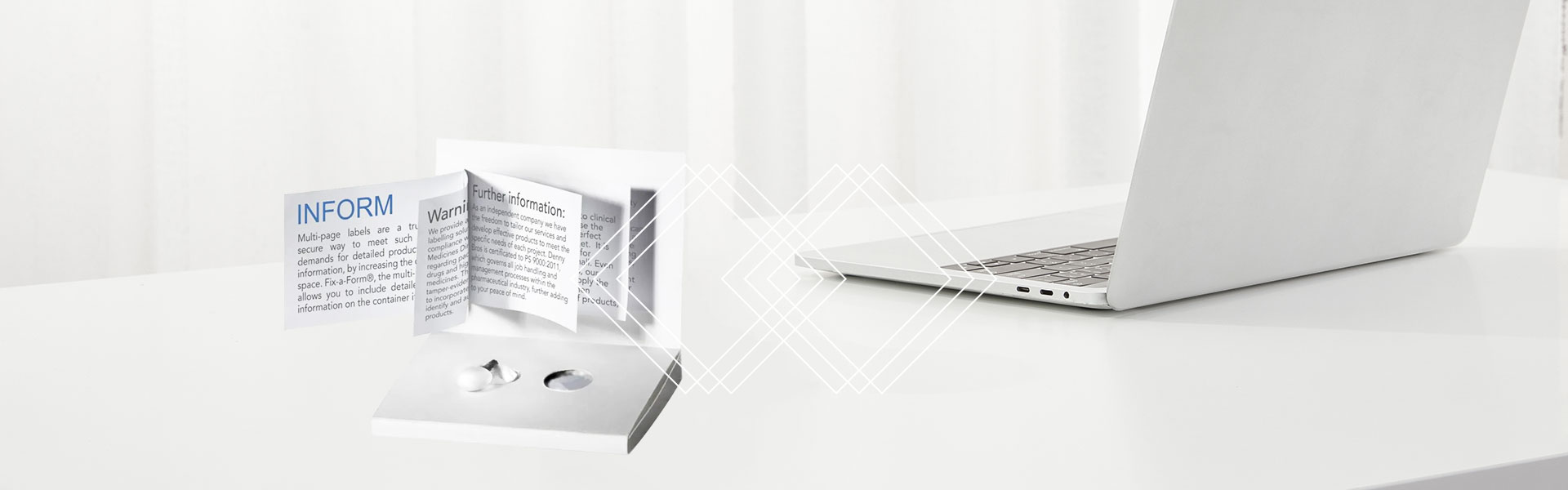
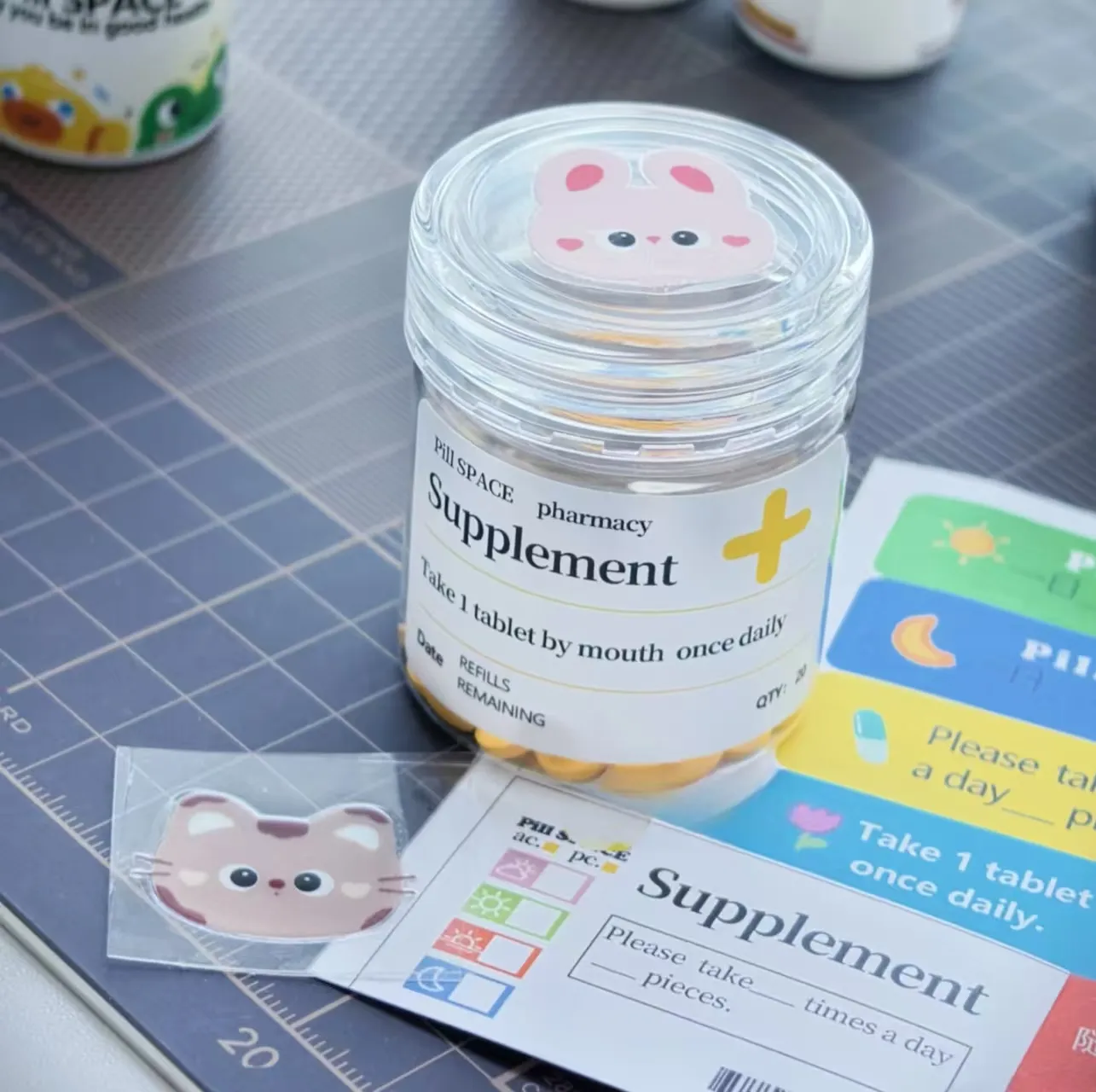
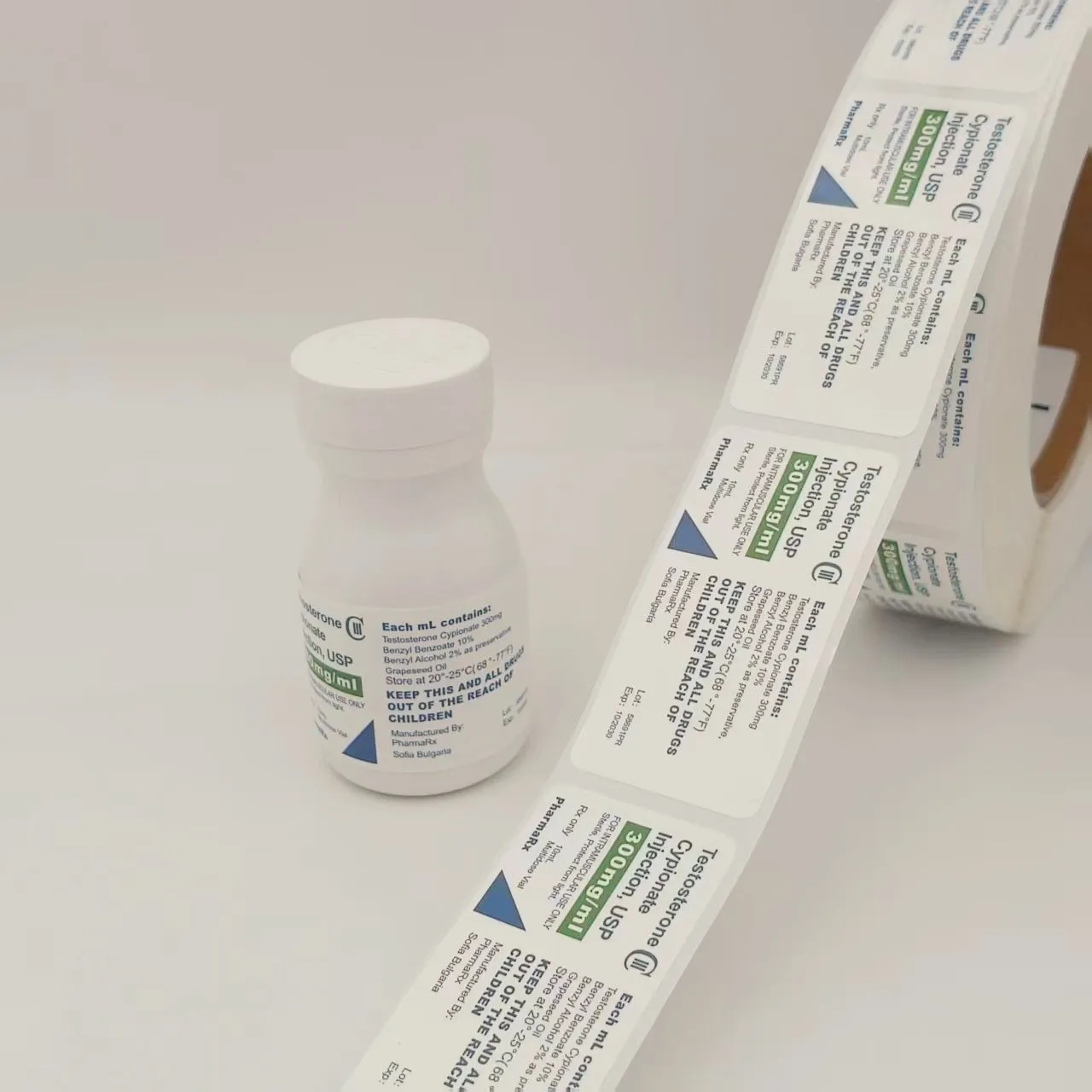
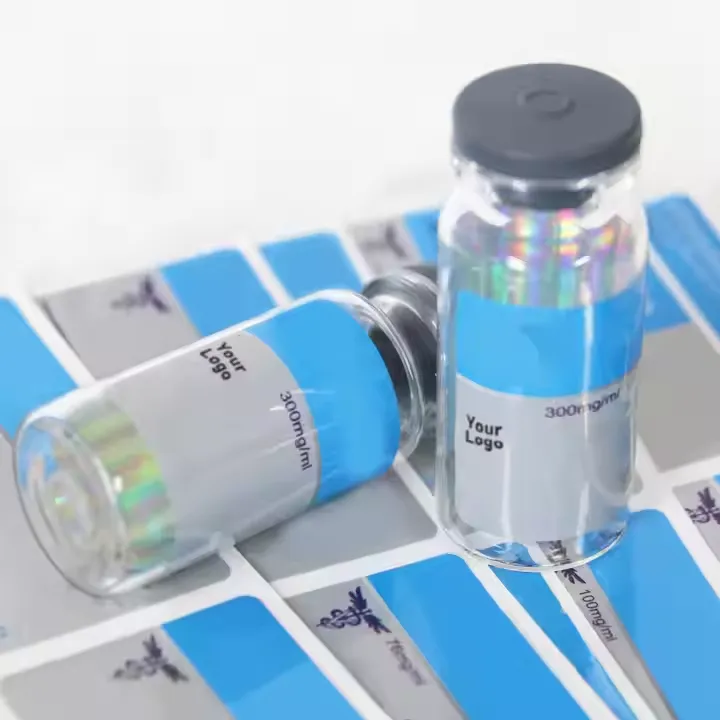
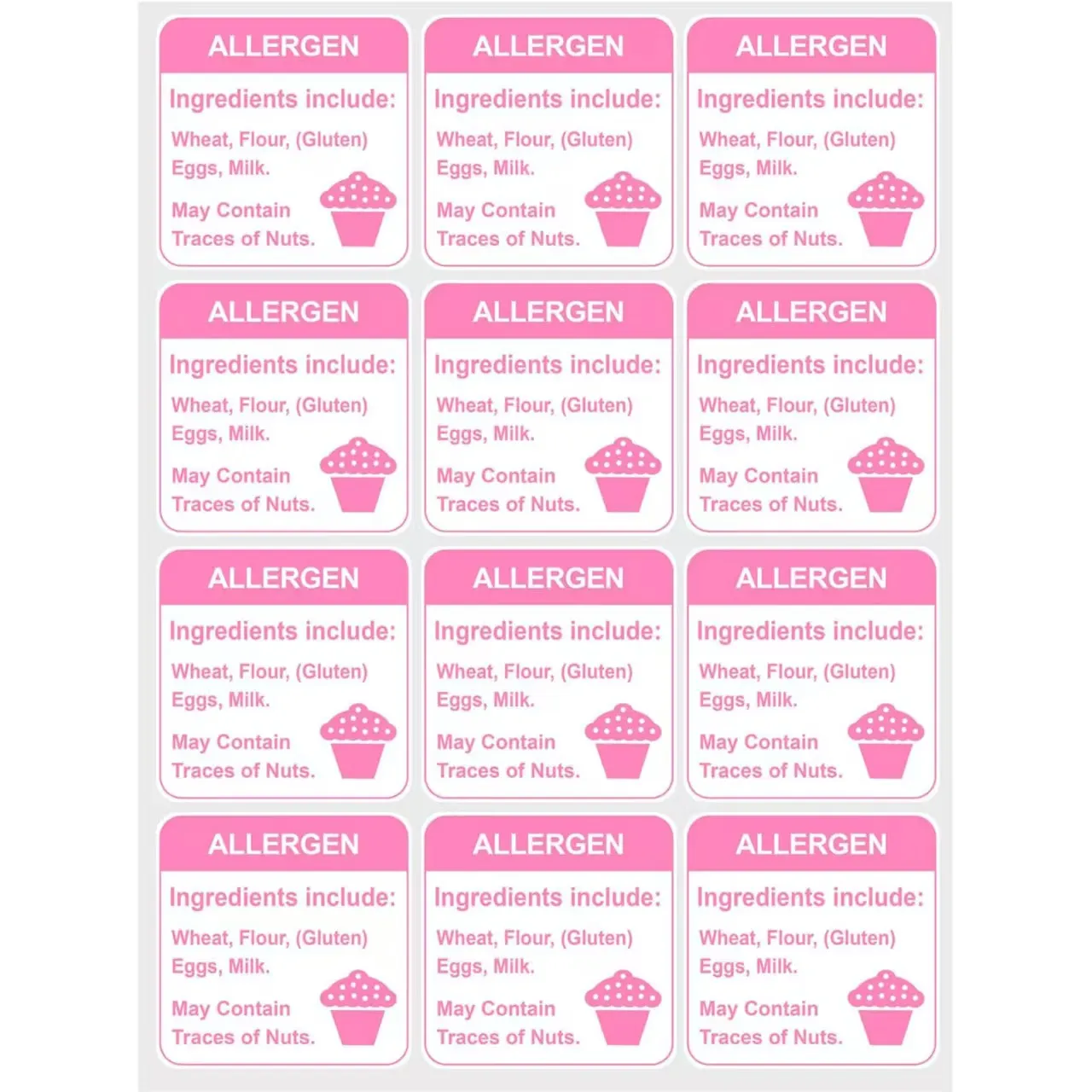
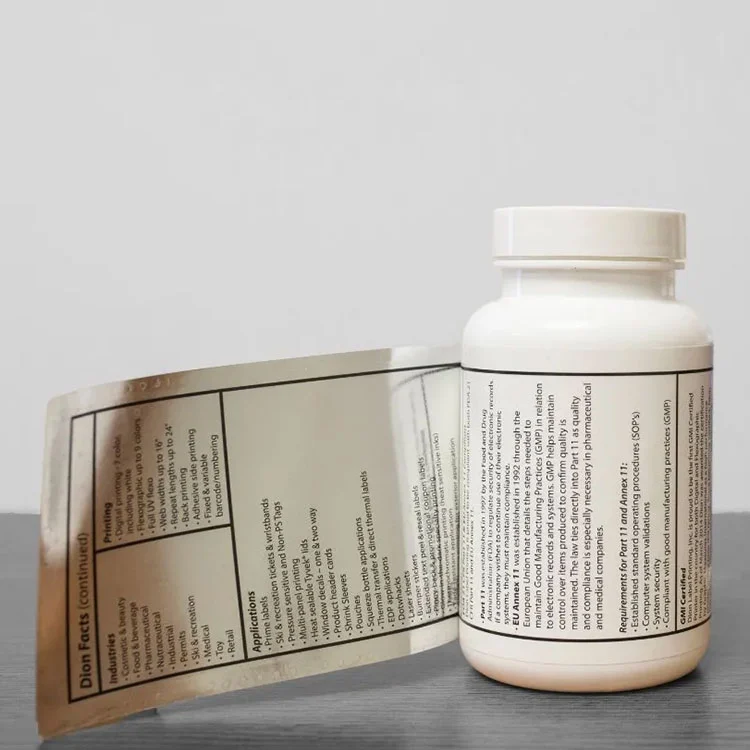
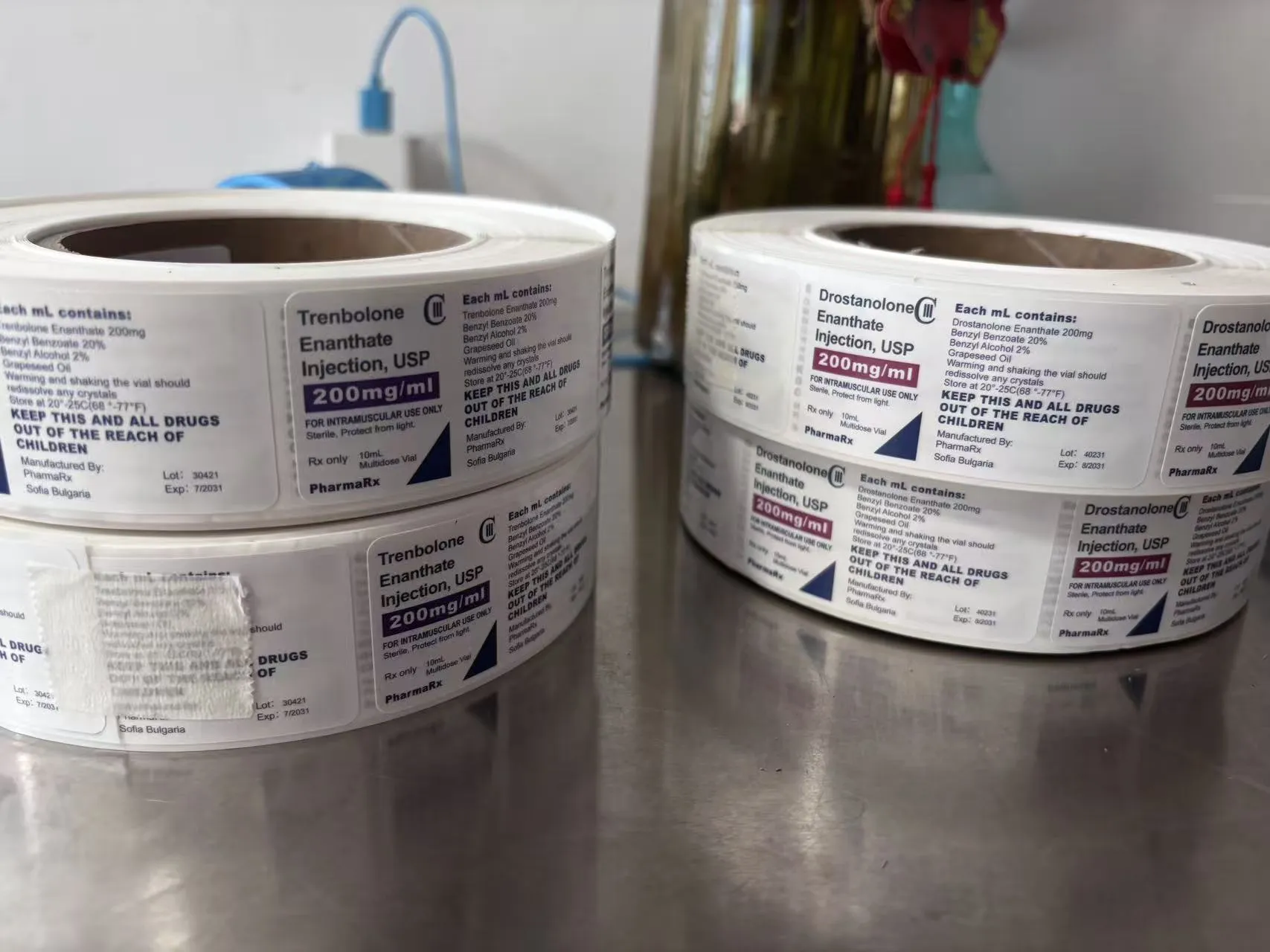
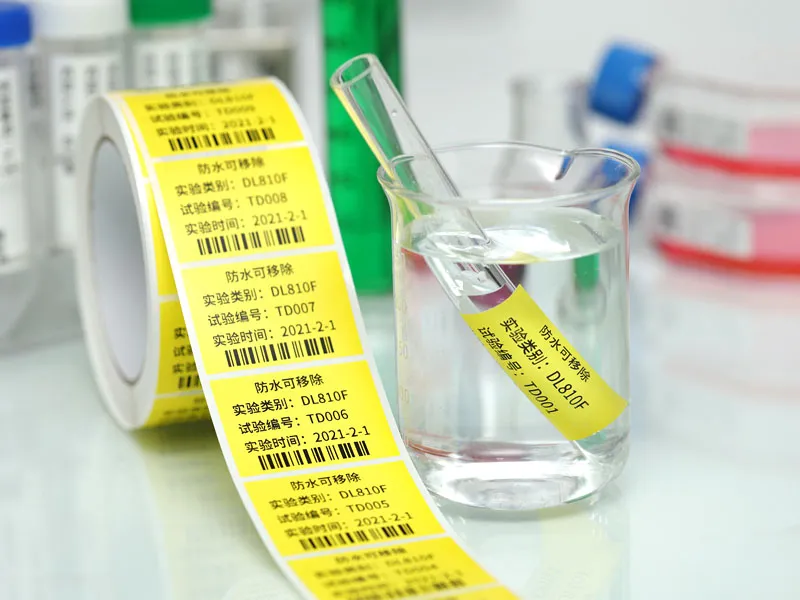
JOJO Pack is a company specializing in the production of medical leaflet labels. JOJO Pack can customize medical leaflet labels of various sizes, materials and printing designs according to customers' specific needs to ensure their effectiveness and safety in the medical environment. Whether it is a hospital, laboratory or pharmaceutical packaging, JOJO Pack can provide you with tailor-made solutions to help improve work efficiency and accuracy.

Pharmaceutical labels are labels designed specifically for the medical industry and are typically made from high-strength, durable materials to ensure they remain legible in a variety of environments. Pharmaceutical labels not only improve the accuracy of information transmission, but also effectively reduce misuse and confusion, ensuring patient safety and smooth medical processes.

Get A Quote Now
What are the common sizes of pharmaceutical labels?
|
Label Type
|
Common Size (mm)
|
Notes
|
|
Bottle Label
|
100 x 150
|
Standard for prescription bottles
|
|
Ampoule Label
|
30 x 50
|
Common for small ampoules
|
|
Box Label
|
120 x 180
|
Used for medication boxes
|
|
Small Vial Label
|
40 x 60
|
Suitable for small vials
|
|
Back Label
|
50 x 100
|
Often includes dosage and instructions
|
|
Side Label
|
30 x 80
|
Used on the side of containers
|
|
Custom Size
|
Custom Size
|
Based on specific product requirements
|
Get A Quote Now
When sizing pharmaceutical labels, consider the following factors?
Information capacity: If there is a lot of information to be labeled, larger labels should be selected to ensure that the information can be displayed clearly and completely.
Usage scenarios: Different medical equipment, drug packaging and medical record folders have different requirements for label size.
Portability: If healthcare workers need to carry the tag with them, they should choose a smaller foldable tag that can easily fit into a pocket or tool bag.
Readability: Make sure the font size on the label is appropriate and legible at different sizes to avoid being too small and making the information illegible.

Get A Quote Now
What materials are used for pharmaceutical labels?
|
Coated paper
|
This is one of the common surface materials for self-adhesive bottle labels in pharmaceutical products in the domestic market.
|
|
Transparent BOPP
|
Transparent BOPP material is often used to make self-adhesive labels.
|
|
Synthetic paper
|
Synthetic paper is a type of artificial paper with good waterproof, oil-proof and tear-resistant properties.
|
|
PET
|
PET material has the characteristics of high strength, high transparency, wear resistance, chemical corrosion resistance, etc.
|
|
Aluminum foil paper
|
Some medical labels will also use aluminum foil paper surface material to provide better light shielding and moisture resistance.
|
Get A Quote Now
What are the design features of pharmaceutical labels?
● Functional requirements
■ Information display
◆ Label important medical information such as drug name, dosage, usage, medication time, etc.
◆ Including allergy history, special medical instructions and other key contents.
■ Easy to identify
◆ Use eye-catching colors to differentiate between different types of information, such as red for allergy warnings or emergencies.
◆ The font size is appropriate to ensure legibility from a distance.

■ Durability
◆ Made from durable materials that can withstand daily wear, folding and sterilization.
◆ Water and stain resistant, ensuring messages won't be obscured by spills or stains.
● Design structure
■ Leafleting method
◆ Designed with multi-layer leaflet, different categories of information are displayed at different levels to facilitate medical staff to quickly find the information they need.
◆ The folds are strong and not easily damaged, ensuring labels remain intact after multiple folds and unfolds.
Get A Quote Now
What are the functions of pharmaceutical labels?
Information integration: Pharmaceutical labels can integrate a large amount of product information, such as product description, ingredients, dosage, usage, functions, contraindications, etc. into one label, making it convenient for patients to carry it with them and read it at any time.
Improved convenience: In traditional pharmaceutical packaging, instructions are often placed separately from the medicines, while pharmaceutical labels can closely combine the instructions with the medicines, solving the problem of carrying the medicines and instructions with you.
Enhance the brand promotion effect: Pharmaceutical labels can achieve the best visual effect through the effective combination of multiple printing processes, such as graphic printing, screen printing, etc., thereby enhancing the brand image of pharmaceuticals.
Improve patient compliance: Posting the instructions directly on the drug packaging will help remind patients to read the instructions carefully before taking the medication, reduce adverse reactions caused by improper medication, and improve patients' medication compliance.

Get A Quote Now
FAQ
What are the main features of pharmaceutical labels?
These include durable materials, clear printing, a foldable design for easy use, and water and stain resistance.
Can pharmaceutical labels be customized?
Yes, we provide personalized customization service, customers can choose the size, material and printing design.
What occasions is medical leaflet label suitable for?
Suitable for hospitals, laboratories, pharmaceutical packaging and other medical environments.
How to ensure the security of pharmaceutical labels?
We strictly follow medical industry standards to ensure all labels meet safety and compliance requirements.
How long is the lifespan of a medical leaflet label?
The service life depends on the material and usage environment, and is usually durable under normal conditions.
How can I get quotation?
Send us your requirements and leave your email, we will send you quotation within 24 hours.
Other questions
If you have other questions, please feel free to cantact us. We will reply you as soon as possible.
How can I trust you?
We welcome and invite you to visit our factory and inspect our products and services on the spot.