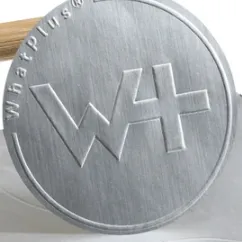
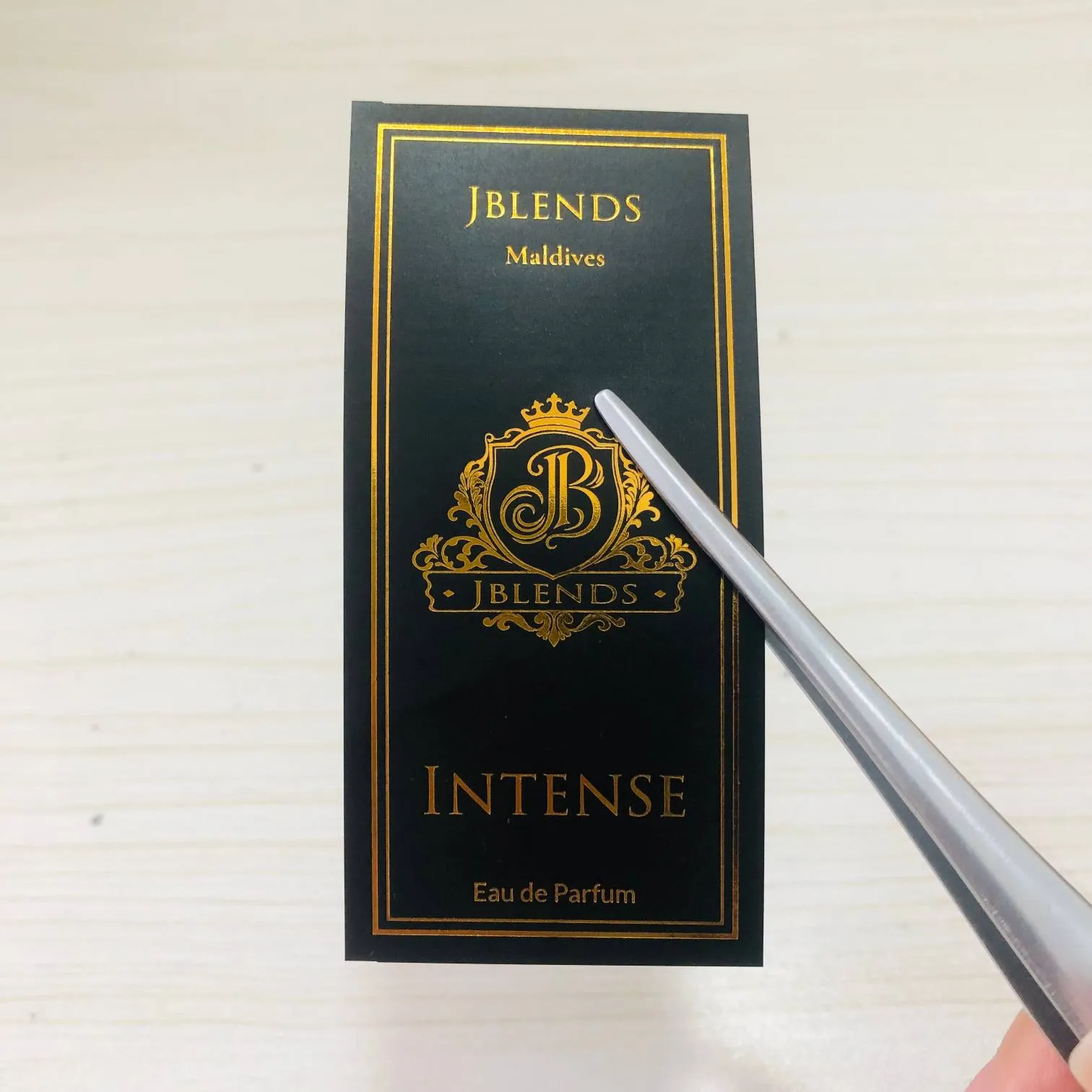
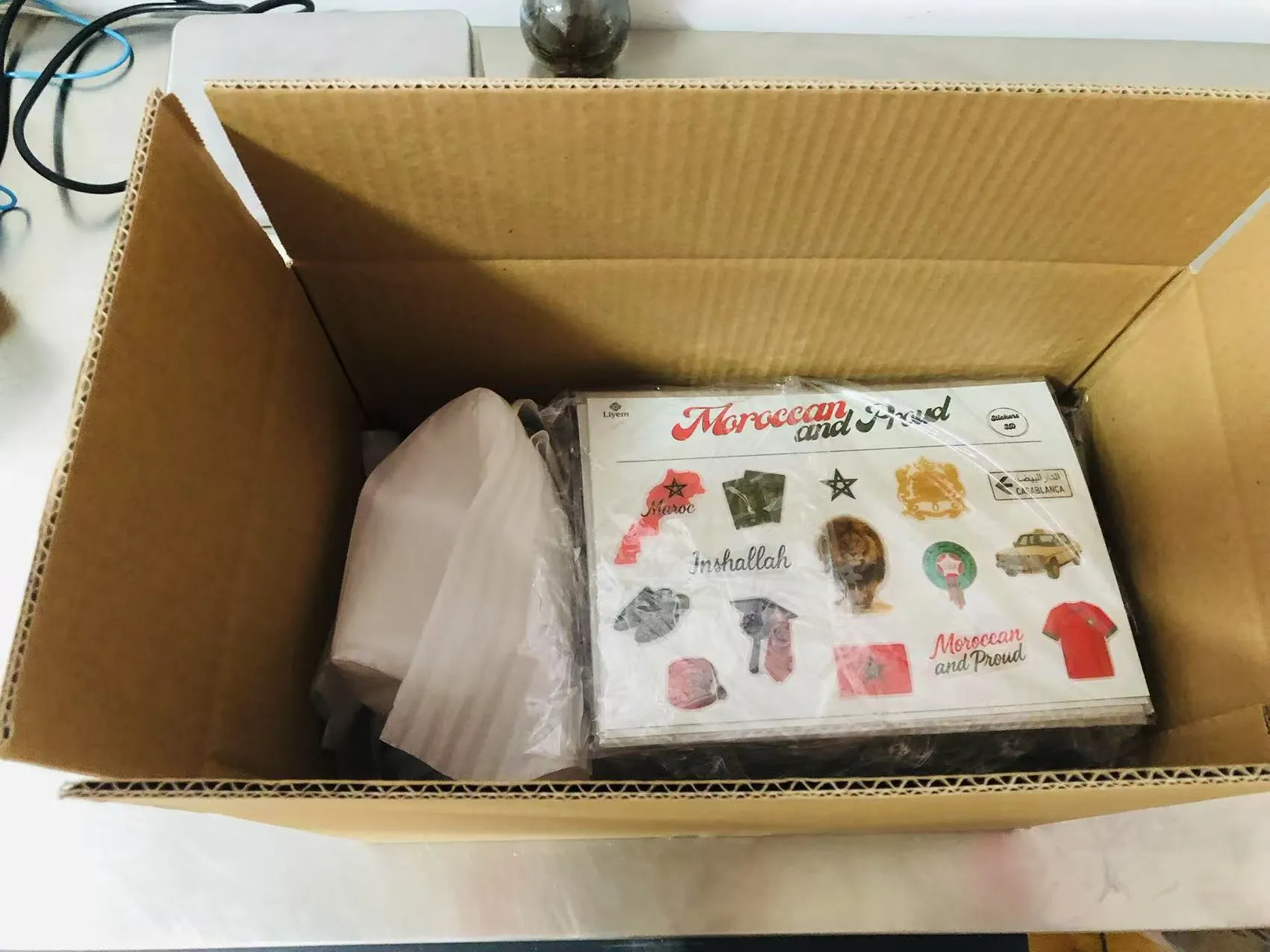
Security labels are specialized labels designed to protect products, packaging, and documents from tampering, theft, counterfeiting, and unauthorized access. Unlike ordinary stickers, they are built to signal interference (tamper evidence), make replication harder (anti-counterfeit features), and often create a verifiable trail (serialization, QR codes, or variable data).
You’ll typically see security labels used on:
Most buyers don’t wake up thinking, “I want a hologram.” They think, “I’m tired of chargebacks, disputes, and damaged trust.” Here are the pain points security labels address—plus what that means operationally.
Think of security labels like tools in a toolbox: each one fits a different job. The table below helps you match label types to typical risk scenarios.
| Type | Best For | How It Works | Watch Outs |
|---|---|---|---|
| VOID / Message-Reveal Labels | Cartons, envelopes, warranty seals | When removed, a “VOID” (or custom) pattern appears on the label and/or surface | Surface must be compatible; some coatings reduce reveal clarity |
| Destructible (Fragile) Labels | Electronics, parts, warranty protection | Material breaks apart when tampered with, preventing clean removal | Not ideal for very rough surfaces; can be too aggressive for some plastics |
| Holographic Labels | Brand authentication, premium products | Visual effects are difficult to reproduce; can combine with serial numbers | Not always tamper-evident unless paired with a tamper layer |
| Serialized / Variable Data Labels | Track-and-trace, returns verification | Each label has unique numbers, QR codes, or barcodes linked to records | Requires system workflow (scanning, database, process discipline) |
| Security Slit / Cut Labels | Simple tamper deterrence on cartons | Strategic cuts make removal harder without tearing | Less “proof-forward” than VOID; depends on visibility of damage |
| Residue / Pattern Transfer Labels | High-dispute shipping environments | Leaves a strong residue or transfer pattern as evidence | May be too permanent for some packaging aesthetics |
In many real-world programs, the best approach is layered: a tamper-evident mechanism (like VOID) plus a verification element (like a unique serial number or QR code).
Two security labels can look similar on a product page and behave completely differently on your packaging line. These are the design features that matter most.
Here’s a practical framework procurement and packaging teams can use to avoid expensive misfires.
A strong label can still fail if rollout is sloppy. These steps help security labels perform consistently at scale.
Application checklist
Verification workflow ideas
Security labels should pay for themselves through fewer disputes, fewer fraudulent returns, and better operational clarity. Track outcomes that connect directly to cost and trust:
If you’re building a security program, you want more than “a label”—you want a supplier who can help you match materials, adhesives, and features to your real packaging conditions. Shandong JOJO Pack Co., Ltd. provides security label options that can be customized for different tamper-evidence needs, verification methods, and branding requirements.
When speaking with a supplier, come prepared with:
Q: Do security labels guarantee that a package won’t be opened?
A: They can’t physically prevent every attempt, but they dramatically improve your ability to detect tampering and discourage casual interference. The best programs pair tamper evidence with clear verification steps.
Q: Which is better: VOID labels or destructible labels?
A: VOID labels are great when you want a clear “message reveal” on removal. Destructible labels excel when you want removal to be messy and impossible to do cleanly. Many brands use VOID for cartons and destructible materials for warranty seals on products.
Q: Will a security label stick to glossy boxes or laminated packaging?
A: Sometimes yes, sometimes no—this depends heavily on adhesive type and surface coating. Always test on your exact substrate, including after exposure to your real shipping and storage conditions.
Q: Can we add serial numbers or QR codes to security labels?
A: Yes. Variable data printing enables unique serials, barcodes, and QR codes. For best results, decide what scanning should confirm (valid/invalid, duplicate detection, order matching) and train staff on the workflow.
Q: What’s the most common reason a security label program fails?
A: Choosing based on appearance instead of performance. Labels that look “secure” can still fail due to poor adhesion, low visibility of tamper evidence, or lack of a verification process.
Security labels are one of the simplest upgrades you can make to protect shipments, reduce disputes, and keep customers confident. But the key is matching the right label type to your risks, surfaces, and environment—and then rolling it out with a clear verification workflow.
Ready to reduce tampering and returns disputes without slowing down your packaging line?
Tell Shandong JOJO Pack Co., Ltd. what you’re sealing, where it ships, and what problem you want to eliminate—and they can help you choose the right security label configuration. If you want samples or a quick recommendation, contact us and let’s lock your packaging down the smart way.