Email Us
News
News

Why Do Epoxy Labels Make Products Look More Premium?

2026-02-11 0 Leave me a message

Summary

Epoxy Labels are the “tiny upgrade” that can change how customers judge a product in the first three seconds. That glossy, domed finish doesn’t just look expensive, it also protects your branding from scratches, moisture, and daily wear. But not every domed label performs the same. Poor resin clarity, yellowing, edge lifting, weak adhesive, or mismatched materials can turn a premium detail into a warranty headache.

This guide walks you through what Epoxy Labels are, what problems they solve, how to choose the right materials and specs, how to avoid common failures, and what to ask a supplier before you place an order. You’ll also get a practical checklist, a comparison table, and straightforward FAQs so you can make a confident decision.


Contents


Outline

  1. Define Epoxy Labels and how the domed layer works
  2. Link common buyer complaints to the right spec choices
  3. Compare materials, adhesives, and finishes with a clear table
  4. Share design rules that protect readability and brand color
  5. Explain installation steps that stop lifting and bubbling
  6. Provide a simple QC checklist and supplier questions
  7. Close with a practical next step for sampling and ordering

What Epoxy Labels Are

Epoxy Labels

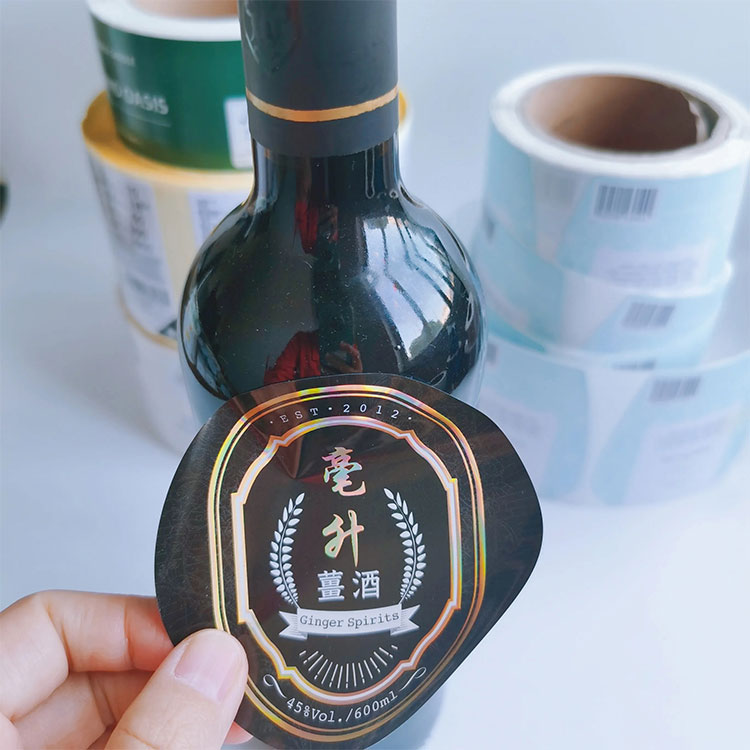
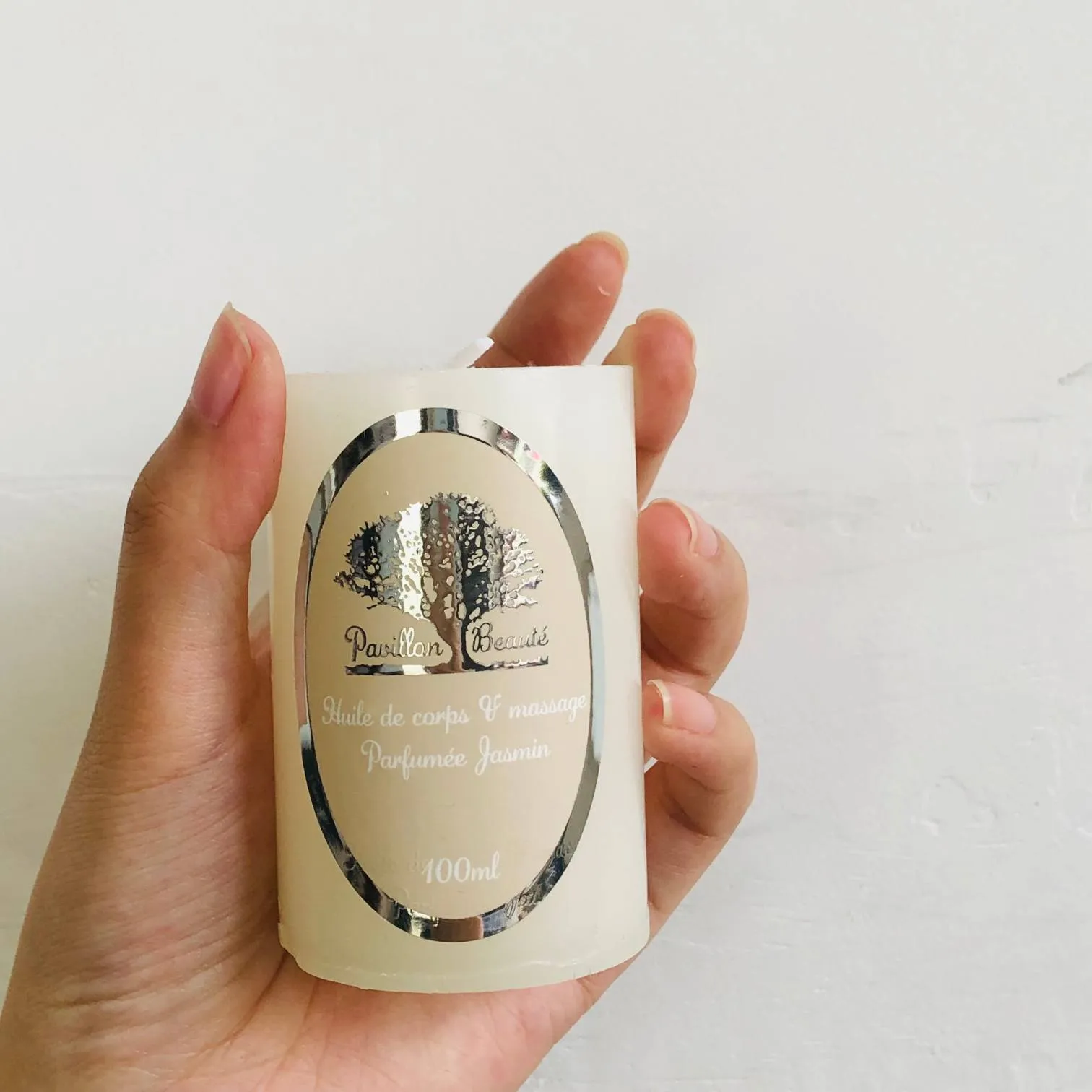
Epoxy Labels are printed labels topped with a clear resin “dome” that cures into a smooth, raised surface. That dome creates depth, shine, and a tactile feel customers associate with higher-end products. The dome also acts like a protective shield over the print layer, helping resist scuffs and minor impacts.

Most Epoxy Labels start with a base material (commonly PVC, PET, PC, metal, or a specialty film), then printing (such as screen printing or digital), then doming (dispensing liquid resin), and finally curing. When the balance is right, you get a label that looks crisp, feels luxurious, and stays stuck where it belongs.


Customer Pain Points They Solve

  • “Our label looks cheap next to competitors.” The domed effect adds dimensional branding without redesigning the whole product.
  • “The print scratches during shipping or installation.” The cured resin layer protects inks from everyday abrasion.
  • “Moisture ruins our stickers.” A sealed dome improves water resistance for many indoor and light outdoor uses.
  • “We need a label that feels premium in the hand.” The tactile dome becomes a brand cue customers notice subconsciously.
  • “Our label corners lift over time.” With the right adhesive and proper application, domed labels can hold strongly on clean, compatible surfaces.
  • “We got yellowing after months in sun.” This is avoidable with better resin selection and realistic outdoor exposure planning.

Notice the pattern: most complaints are not “Epoxy Labels are bad,” but “the specs did not match the use case.” That’s what we fix next.


How to Choose the Right Epoxy Labels

Before you pick a size or shape, start with three questions. Where will the label live, what will it touch, and how long must it last?

  • Environment indoor, outdoor, humid, oily, high heat, frequent cleaning chemicals
  • Surface plastic housing, powder-coated metal, anodized aluminum, glass, textured panels, rubberized coatings
  • Lifespan expectation promotional use, multi-year branding, compliance marking

Use the table below as a quick comparison map. It helps you avoid mismatches like “standard adhesive on textured powder coat” or “basic resin under harsh UV.”

Decision Factor Best Choice When You Need Common Pitfall What to Ask Your Supplier
Base material PET or PC for stability and clean edges Material warps or shrinks during curing Which base film do you recommend for my surface and temperature range?
Resin clarity High transparency for sharp branding Haze makes colors look dull Do you provide clarity samples under different lighting?
UV performance Better resistance for bright retail lighting or sunlight Yellowing or micro-cracks over time What resin option reduces yellowing and what exposure is realistic?
Adhesive strength Long-term stick on plastics or coated metals Edge lifting on textured or oily surfaces Which adhesive suits powder coat, rubberized paint, or low-energy plastics?
Thickness of dome More depth and premium feel Too thick causes edge overflow or slow curing What dome height do you recommend for my label size?
Edge and shape Rounded corners for durability Sharp corners catch and peel Can you suggest a corner radius that reduces lifting?

One more practical rule: if your product will be cleaned often with alcohol-based wipes, tell the supplier upfront. A label that survives casual handling may fail under aggressive cleaning routines.


Design and Print Tips That Prevent Rework

Epoxy doming magnifies what’s already there. That’s great for high-quality artwork, and brutal for small mistakes.

  • Use readable line weights. Ultra-thin lines can visually “sink” under the dome or become less crisp.
  • Leave safe margins. Keep important text away from edges so the dome edge doesn’t distort it.
  • Plan for highlights and glare. Gloss looks premium, but glare can hide tiny fonts under strong lights.
  • Test color under real lighting. Retail LEDs, workshop lighting, and daylight can shift perceived color.
  • Choose finishes intentionally. A metallic base plus clear dome looks high-end, but might not suit every brand style.

If you’re ordering for a product line, request a small sample set with multiple finishes. The “best” option is often decided by how the label looks on the actual product surface, not on a flat sample card.


Application Tips for Strong Adhesion

Even the best Epoxy Labels can fail if applied poorly. Adhesion problems are often process problems.

  • Clean the surface properly. Dust, mold-release agents, oils, and fingerprints reduce bonding. Use an appropriate cleaner for your surface and let it fully dry.
  • Apply with firm, even pressure. Press from the center outward to avoid trapped air.
  • Avoid touching the adhesive. Skin oils can weaken edges, especially on small labels.
  • Mind the temperature. Very cold surfaces can reduce initial tack. Room temperature application is safer for consistent results.
  • Allow full bonding time. Many adhesives strengthen over hours. If possible, avoid heavy handling immediately after application.

If your product has a textured finish, ask about adhesives designed for “difficult surfaces.” A small change here can eliminate the most common complaint: corners lifting after a few weeks.


Quality Checks That Matter

If you want fewer surprises, build a simple incoming inspection routine. You don’t need a lab, just consistency.

  • Visual clarity check confirm no haze, bubbles, or particles under normal lighting
  • Edge consistency check verify the dome doesn’t overflow the cut line and edges look clean
  • Adhesion spot test apply a few labels to the real product surface and observe edges after 24 to 72 hours
  • Rub resistance check gentle rub with a soft cloth to confirm print doesn’t smear or scuff
  • Packaging check confirm labels arrive protected from pressure that can mark domes

Many buyers also ask for controlled sampling before mass production. If you’re sourcing from an experienced manufacturer like Shandong JOJO Pack Co., Ltd., you can typically request sample runs to validate look and performance on your real product surface before committing to volume.


Cost, Lead Time, and Ordering Strategy

Epoxy Labels

Epoxy Labels cost more than basic printed stickers, but they often reduce hidden costs in other places. If a premium label reduces returns, improves shelf appeal, or supports higher pricing, it’s doing real business work.

  • What drives cost size, shape complexity, base material, print method, dome height, and special performance requirements
  • What drives lead time sampling rounds, tooling for custom shapes, curing schedules, and packaging requirements
  • Smart ordering approach start with a small validation batch, then scale once adhesion and appearance are proven

If you manage multiple SKUs, consider standardizing a few label sizes and finishes across product families. That simplifies future reorders and helps keep visual branding consistent.


FAQ

Do Epoxy Labels work outdoors?

They can, but outdoor success depends on sunlight exposure, temperature swings, and resin choice. If the label will face strong sunlight, ask for options that reduce yellowing and be realistic about long-term appearance expectations.

Will the dome scratch easily?

Domed resin generally improves scratch resistance compared with unprotected print, but it is not indestructible. If your product is handled roughly or rubbed against hard surfaces, ask for higher durability resin options and test a sample under real conditions.

Can Epoxy Labels be applied to textured powder coating?

Yes, but adhesive selection and surface preparation are critical. Textures reduce contact area, so you may need an adhesive designed for textured or difficult surfaces and a firm application process.

Do they stick to low-energy plastics like PP or PE?

They can be challenging on low-energy plastics. Some adhesives are made specifically for these materials, and surface treatment may help. Always test on your exact plastic grade and finish.

How do I avoid edge lifting?

Use rounded corners, clean the surface thoroughly, apply at a suitable temperature, and choose the right adhesive. Also avoid stretching labels during application, which can pull edges upward later.

Can I print small text on Epoxy Labels?

Yes, but keep readability in mind. The glossy dome can create glare, and very tiny fonts can look softer under the dome. If your label includes important micro-text, request a sample to verify legibility.

What shapes work best?

Simple shapes with smooth curves and a reasonable corner radius usually perform best. Extremely sharp corners are more likely to catch and peel, especially on frequently handled items.

How should Epoxy Labels be stored before use?

Keep them flat, away from heat and direct sunlight, and avoid stacking heavy objects on top of them. Proper storage helps preserve dome clarity and prevents pressure marks.


Wrap Up

Epoxy Labels are a small component that can deliver a surprisingly large upgrade in perceived quality and real-world protection. The key is matching resin, base material, adhesive, and dome thickness to how your product is actually used. If you treat sampling as part of the process and validate adhesion on your exact surface, you’ll avoid the usual issues and end up with a label that looks premium for the long haul.

If you’re ready to evaluate options for your product line, Shandong JOJO Pack Co., Ltd. can help you compare materials, finishes, and adhesives and prepare samples that match your application needs—contact us to discuss your design, target surface, and performance requirements.

Related News
Leave me a message
Mobile
+86-13306484951
Address
No. 665 Yinhe Road, Chengyang District, Qingdao City, Shandong Province, China
X
We use cookies to offer you a better browsing experience, analyze site traffic and personalize content. By using this site, you agree to our use of cookies. Privacy Policy
Reject Accept