Email Us
News
News

How Can a Wine Label Make Your Bottle Impossible to Ignore?

2026-01-22 0 Leave me a message

Abstract: A Wine Label is doing two jobs at once: selling the story at first glance and surviving real-world handling (cold rooms, condensation, scuffs, shipping, and shelf lighting). When labels wrinkle, peel, smudge, or look “cheap,” the bottle loses trust—fast. This guide breaks down the most common label problems, how to choose materials and finishes that actually hold up, what details must stay readable, and a practical workflow to order with fewer surprises. You’ll also see a clear comparison table and a checklist you can hand to a designer or label supplier.


Table of Contents


Outline

  • Diagnose why labels fail (peel, bubble, scratch, fade, smear).
  • Choose materials and finishes based on storage, moisture, and handling.
  • Get adhesive/application details right for your bottle surface and line speed.
  • Keep the design premium and readable where it counts.
  • Plan mandatory info and traceability without clutter.
  • Order with a proof-first workflow to reduce costly reprints.

Why a Wine Label Matters More Than You Think

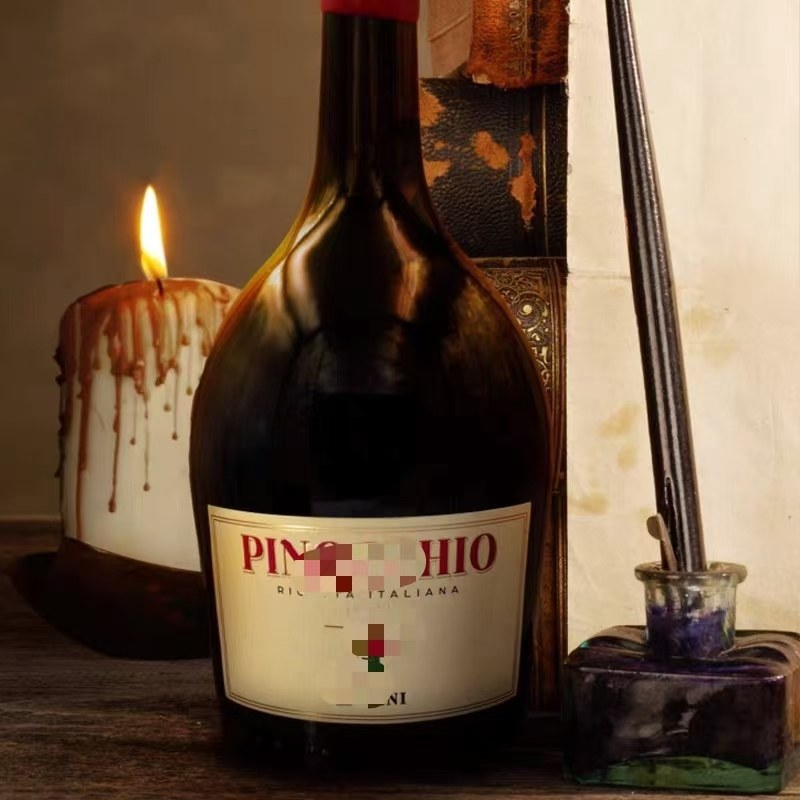
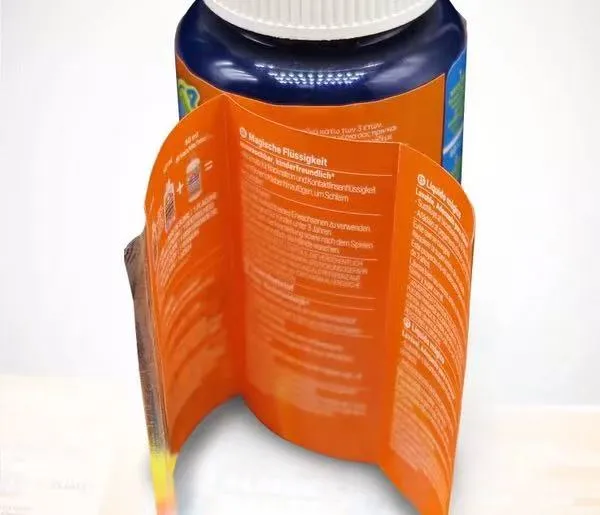
Wine Label

People don’t “meet” a bottle the way they meet a website. They meet it in a second—under harsh store lighting, surrounded by competitors, often from a distance. Your Wine Label has to communicate three things immediately:

  • Identity: What is it, and who is it for?
  • Credibility: Does it feel authentic and well made?
  • Value: Does the label match the price point the shelf is asking for?

Then reality happens: ice buckets, damp cellars, refrigeration, fingerprints, cartoning, and shipping vibration. If the label fails physically, it also fails emotionally—customers read it as “corner-cutting,” even when the wine itself is excellent.


Top Wine Label Pain Points (and the Real Causes)

If you’ve ever reprinted labels or dealt with complaints, the issue is usually not “printing quality.” It’s a mismatch between label decisions and how the bottle is used. Here are the biggest pain points and what typically causes them:

  • Peeling edges: Incompatible adhesive for glass texture, wet environments, or a bottle stored cold and labeled warm (or the reverse).
  • Bubbles and wrinkles: Bottle curvature, label size too large for the panel, application pressure inconsistent, or film/paper tension not suited to your labeling method.
  • Scuffing and scratching: No protective coating, abrasive carton contact, or high-gloss surfaces that show damage more easily.
  • Smudging and dull color: Ink/finish mismatch, insufficient curing, or design relying on subtle tones that disappear under store lights.
  • Condensation staining: Paper stocks that absorb moisture or coatings that aren’t designed for repeated wetting.
  • Counterfeit risk: Premium bottles without traceability, tamper-evident details, or verification tools.
  • Last-minute compliance edits: Required data wasn’t planned into the layout, so your “final” artwork becomes a scramble.

The fix is not a single “best label.” It’s choosing a label system—material, adhesive, finish, and layout—that matches your distribution and handling.


Materials and Finishes That Match Your Reality

Start with one question: Where will this bottle spend most of its life? A cellar-stored boutique red and a mass-market sparkling wine in an ice bucket have very different needs.

Use this comparison as a practical starting point:

Material / Finish Best For Strengths Watch Outs
Coated paper + matte/soft-touch coating Most still wines; premium shelf presence Elegant feel, great print detail, reduced glare Needs the right coating to resist scuffs and moisture
Textured paper (linen/cotton feel) + spot varnish Heritage brands, reserve lines, gift bottles Tactile “crafted” signal, photographs well Fine texture can trap dirt; small text may need extra contrast
Kraft-style paper Natural/organic positioning, rustic storytelling Warm, earthy tone; stands out when everyone else goes glossy Color shifts can happen; proofs matter if your palette is precise
Film label (synthetic) + protective topcoat Ice buckets, condensation, high humidity Moisture-resistant, tougher against tearing Can look “too perfect” if you want a handcrafted vibe; choose finishes carefully
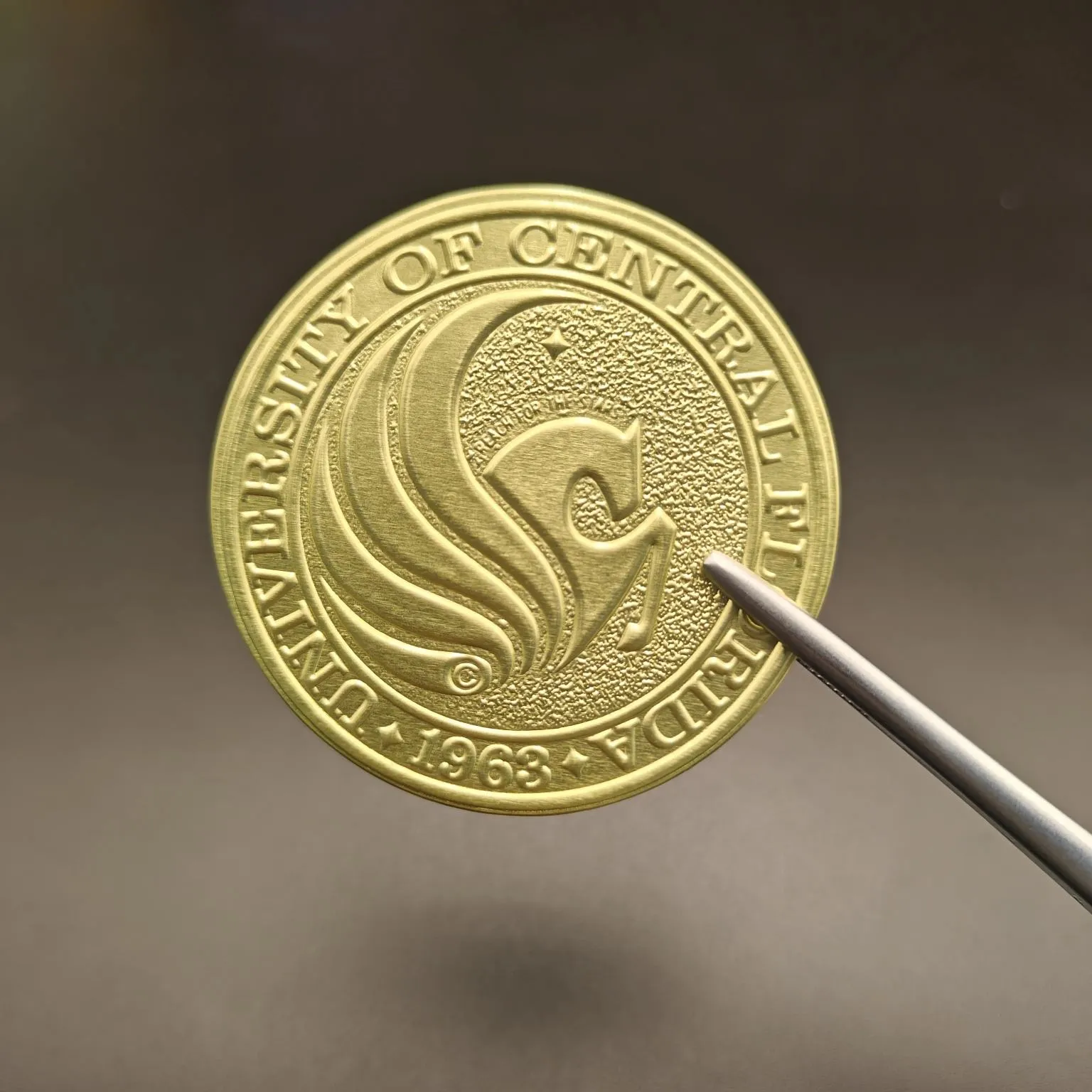
Foil stamping + emboss/deboss High-end cues; limited editions; spirits Premium shine, instant shelf “stop power” Overuse can feel loud; keep hierarchy clean
Raised/relief UV + selective gloss Modern premium brands; touch-forward designs Texture without heavy foil; highlights logos and icons Needs intentional placement or it can look random

Quick rule: If your bottle faces frequent wetting (ice buckets, condensation, chilled retail), prioritize moisture resistance and a finish that protects against scuffs. If your bottle is mostly dry and handled gently, you can chase tactile luxury with textured stocks and nuanced coatings.


Adhesive and Application: Prevent Peeling and Wrinkles

Even the most beautiful Wine Label can fail if the adhesive and application conditions are wrong. A few practical checks reduce 80% of headaches:

  • Know your surface: Smooth glass, lightly textured glass, painted bottles, and frosted finishes all behave differently.
  • Match storage temperature: If bottles are cold when labeled, choose an adhesive designed for low-temperature application. If labeled warm but stored cold, confirm the adhesive won’t lift as the bottle contracts.
  • Control moisture at labeling: Condensation at application time is an edge-lift invitation. Label dry bottles whenever possible.
  • Mind the curvature: Wide labels on curved shoulders wrinkle. Consider a slightly narrower label, or a shape that avoids the steep curve.
  • Plan for abrasion: If bottles rub in cartons, use protective coatings or finishes that hide scuffs (matte and textured often mask wear better than high gloss).

Pro tip for busy teams: Ask for a small physical sample set and do a “real-life abuse test”—ice bucket, fridge overnight, light rubbing against carton board, and a quick wipe test. It’s faster than reprinting.


Design for Instant Recognition and Long-Term Readability

A strong label design isn’t about adding more. It’s about choosing what wins attention first—then making sure the important details remain readable after handling.

  • Hierarchy first: Brand name, varietal/style, and key cue (region, reserve, or signature icon) should be obvious from arm’s length.
  • Legibility under glare: Glossy finishes can reflect store lights; matte or selective gloss often keeps text readable.
  • Premium signals with restraint: Foil and embossing work best when they support one hero element (logo crest, emblem, or varietal line), not everything.
  • Color that survives reality: Deep reds and near-black text can lose detail on textured stocks—proof early, and adjust contrast if needed.
  • Design for the bottle, not a flat screen: A layout that looks perfect on a monitor can feel cramped on a curved bottle panel.

If you’re aiming for a luxury feel, finishes like embossed foil and textured papers can deliver that “picked up by the shopper’s hand” moment—especially when paired with a clean hierarchy that doesn’t fight for attention.


Information Placement Without Ruining the Front Label

Most brands want the front label to tell a story, not read like a form. The trick is planning a clean split between “romance” and “requirements.” Many teams place critical legal/traceability details on the back label (or integrate them subtly into the front layout where allowed).

Here’s a practical checklist of details to confirm for your market (always verify local rules with your compliance team or importer):

  • Brand / product name
  • Wine type or varietal
  • Vintage (if used)
  • Net contents (volume)
  • Alcohol by volume (ABV)
  • Producer/bottler/importer details (as required)
  • Country of origin and region/appellation (where applicable)
  • Lot/batch code (often small but important)
  • Allergen or ingredient statements (market-dependent)
  • Barcode (if retail scanning is needed)

Design tip: Reserve a “quiet zone” on the back label for compliance text. It prevents the dreaded last-minute font shrinking that makes everything look cheaper.


Anti-Counterfeiting and Traceability Options

Counterfeiting isn’t only a global luxury problem anymore. Any bottle with strong margins can become a target. A smart label can help you protect the brand without making the design feel paranoid.

  • QR code verification: Lets customers (or distributors) confirm authenticity and view product info instantly.
  • Tamper-evident elements: Features that show visible damage if removed or re-applied.
  • Serial numbers or variable data: Useful for limited runs, club allocations, or track-and-trace programs.
  • Special effects: Foil, embossing, relief UV, or laser-etched details that are harder to replicate.

Important: A QR code only works if it leads to something trustworthy: a clean verification page, a short explanation of what the customer should look for, and an easy “what to do if this looks wrong” path.


A Simple Ordering Workflow That Saves Time

Wine Label

Label projects go sideways when decisions happen in the wrong order. Here’s a workflow that keeps surprises small:

  1. Define the use case: Ice bucket or cellar? Domestic shipping only or export? High scuff risk or gentle handling?
  2. Pick material + finish: Decide durability first, luxury cues second.
  3. Confirm bottle dimensions and label panel: Make sure your label shape fits the bottle’s flat area.
  4. Lock the information architecture: Decide what goes front vs. back, and reserve space for compliance.
  5. Request a proof strategy: Digital proof for layout, and physical sample for feel and performance.
  6. Test like real life: Chill it, wet it, rub it, carton it—then decide.
  7. Approve and standardize: Save specs so future vintages don’t restart from zero.

This approach is especially useful when you’re managing multiple SKUs, seasonal releases, or short runs that still need a premium finish.


How Shandong JOJO Pack Co., Ltd. Can Support Custom Label Projects

If you want fewer handoffs and a smoother path from concept to delivery, working with a supplier that can coordinate design choices, materials, and production details makes a real difference. Shandong JOJO Pack Co., Ltd. focuses on customized wine label solutions, covering steps like selecting suitable materials and pairing them with printing and finishing methods that match your brand style.

For brands aiming to elevate shelf presence, options like foil effects and embossed textures can create premium “touch and shine” cues, while protective approaches can help labels remain presentable through handling. For brands concerned about authenticity, traceability features such as verification codes and anti-counterfeiting concepts can be integrated in a way that still looks clean and intentional. If your priority is durability, label solutions that emphasize resistance to moisture, wear, and UV exposure can be discussed early so the material and finish decisions are aligned with real distribution conditions.

The most efficient projects usually start with a quick spec conversation: your bottle type, storage conditions, target market, desired look, and deadline—then sample, test, and finalize. That’s the difference between “a label that looks nice” and a Wine Label that performs like part of the product.


FAQ

Q: What’s the best Wine Label choice for bottles that sit in ice buckets?
A: Prioritize moisture resistance, strong adhesion on cold glass, and a finish that can handle abrasion. Many brands prefer synthetic materials or well-protected papers for repeated wetting and condensation exposure.

Q: Why do label edges lift after refrigeration?
A: Temperature swings, condensation, and adhesive mismatch are the usual culprits. A bottle labeled warm and then chilled can create stress at the edges—especially if moisture hits the adhesive line.

Q: Are foil and embossing worth it, or is it just decoration?
A: When used selectively, they’re functional signals of value. A restrained foil/emboss combo can make a bottle feel more premium in-hand, which often supports higher pricing.

Q: How do I keep text readable without clutter?
A: Set a clear hierarchy: let the front label focus on identity and key cues, and reserve a quiet zone on the back for required details. Avoid squeezing everything into the front design.

Q: Can I add anti-counterfeiting without making the label look “techy”?
A: Yes. QR codes can be integrated subtly, and tactile finishes (like embossing or selective texture) can function as authenticity cues while still feeling elegant.

Q: What causes scuffing during shipping?
A: Carton abrasion and unprotected finishes. If bottles rub inside cases, consider coatings that resist scratching or finishes that visually hide minor wear.

Q: Do I need physical samples, or are digital proofs enough?
A: Digital proofs confirm layout and copy. Physical samples confirm feel, finish, adhesion, and how the label behaves with moisture and handling. If your release is important, physical samples usually pay for themselves.

Q: How can I speed up a label project?
A: Provide bottle specs, target market requirements, and a clear “must-have” list up front. Then approve a sample quickly after doing a short real-world test.


Next Steps

A Wine Label should never be the fragile part of your packaging. When the material, adhesive, finish, and layout are chosen for your real distribution conditions, you get a label that sells the story—and survives the journey.

If you’re planning a new release, refreshing an existing bottle, or solving peeling/scuffing issues that keep coming back, outline your use case and goals first—then build the label specs around that. Ready to turn your label into a consistent brand advantage? contact us to discuss your bottle type, finish preferences, and sampling options so you can move forward with confidence.

Back to top

Related News
Leave me a message
Mobile
+86-13306484951
Address
No. 665 Yinhe Road, Chengyang District, Qingdao City, Shandong Province, China
X
We use cookies to offer you a better browsing experience, analyze site traffic and personalize content. By using this site, you agree to our use of cookies. Privacy Policy
Reject Accept