Email Us
News
News

Why Is an Energy Efficiency Label the Fastest Way to Build Trust and Reduce Returns?

2026-01-29 0 Leave me a message

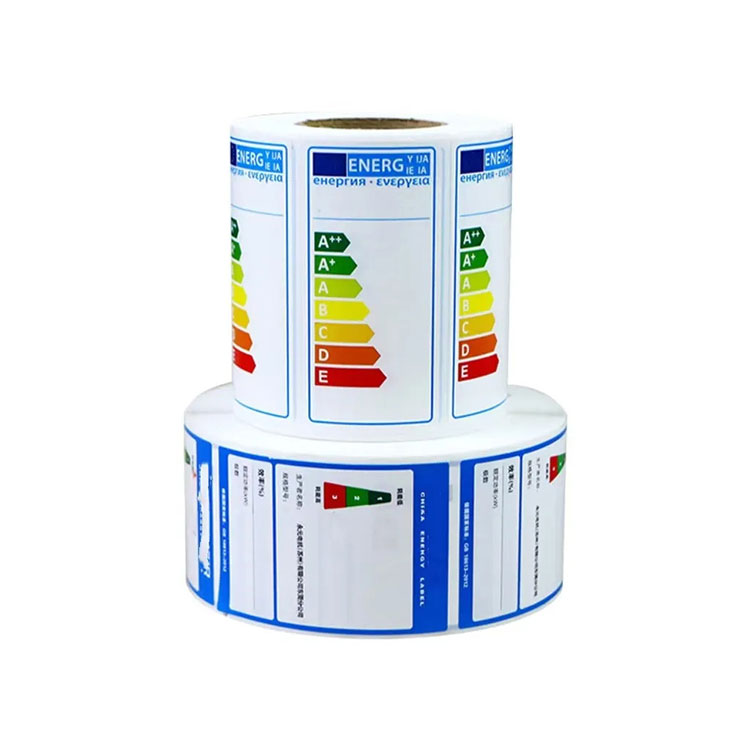
Shoppers want confidence. Brands want fewer returns and fewer “Is this legit?” questions. That’s exactly why an Energy Efficiency Label matters—not as a sticker you slap on at the end, but as a clear, durable, scannable piece of product communication that follows your product everywhere it goes.

If you’ve ever dealt with confused customers, mismatched regional requirements, labels that peel off during shipping, or complaints that “the label doesn’t match the manual,” this guide is for you.


Abstract

An Energy Efficiency Label is more than a rating badge—it’s a decision shortcut for buyers and a risk-control tool for sellers. This article explains what energy efficiency labels communicate, how customers actually read them, and where projects typically fail (poor material choice, unclear layouts, inconsistent data, and weak adhesion). You’ll also get a practical checklist for specifying labels that survive real-world handling and help reduce returns, disputes, and compliance headaches. Examples focus on everyday issues faced by manufacturers, importers, distributors, and retailers—especially when selling across multiple markets.


Table of Contents


Outline

  1. Define the purpose of an Energy Efficiency Label in plain language.
  2. Map common buyer and seller frustrations to label design and production choices.
  3. Show how people scan the label and what they look for first.
  4. Explain how to keep label data aligned with packaging, manuals, and listings.
  5. Compare label materials and finishes for durability and readability.
  6. Provide a label ordering checklist you can copy into your next RFQ.
  7. List quick quality checks to reduce rework and customer complaints.
  8. Answer frequent questions buyers and project owners ask.

What an Energy Efficiency Label Really Does

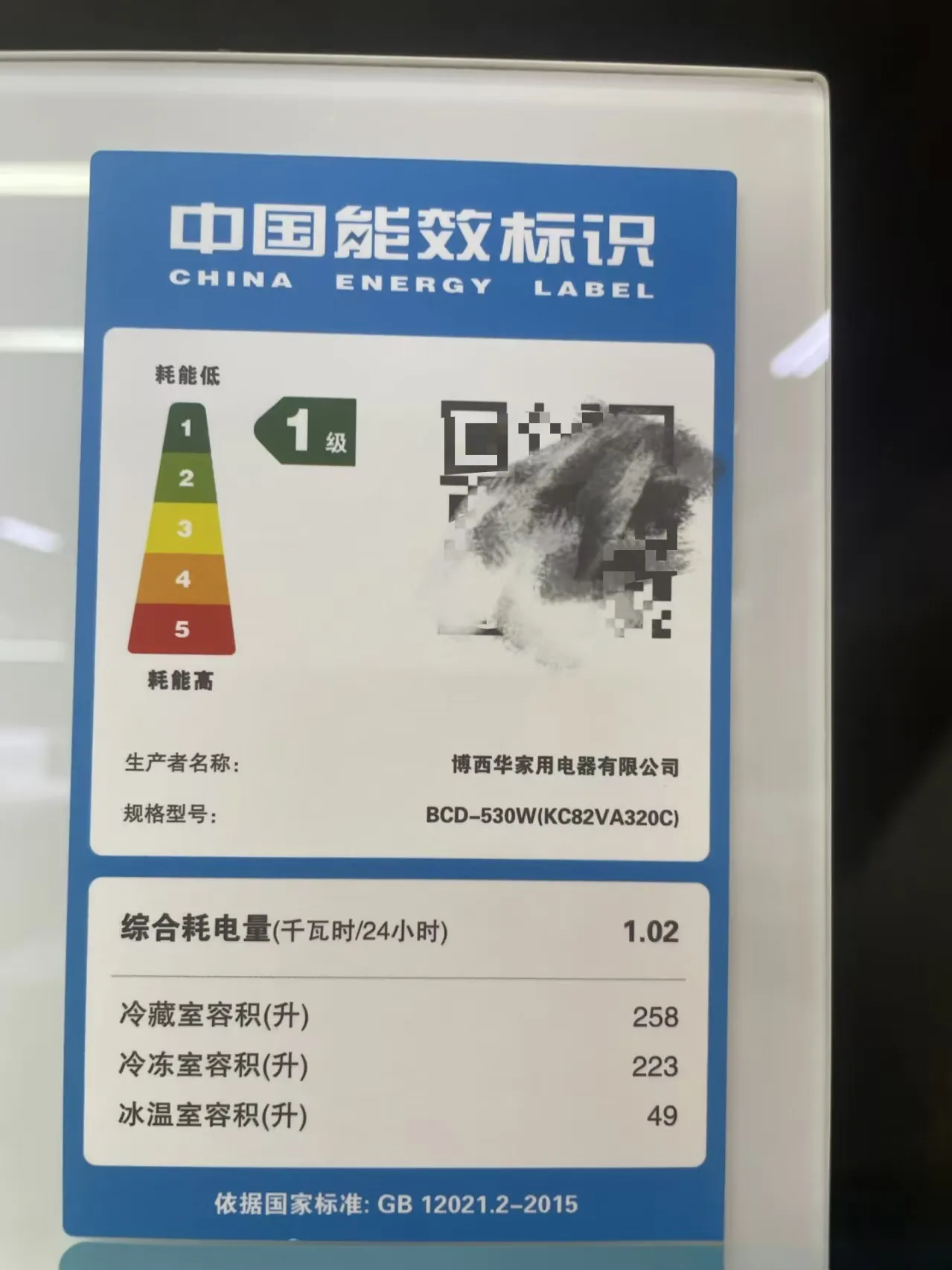
An Energy Efficiency Label is a compact “buyer guide” attached to a product (or its packaging) that helps people estimate energy use, compare similar models, and make decisions faster. Even when the rating system differs by region or category, the label typically answers the same buyer questions:

  • How much energy will this use? (And what will that mean for my bills?)
  • How does it compare? (Is this model better than the one next to it?)
  • What exactly is being measured? (A mode, a cycle, a standard condition)
  • Is the information official and consistent? (Does it match the documentation?)

From the seller’s side, the label also functions as a “first line of defense” against misunderstandings. A clear, durable label reduces back-and-forth questions, lowers the chance of returns caused by incorrect expectations, and makes audits and distributor checks less painful.


Customer Pain Points This Label Solves

Let’s be blunt: most customers don’t want to “study” efficiency. They want a confident purchase without regretting it later. Meanwhile, procurement teams and distributors want clean paperwork and fewer disputes. A well-executed Energy Efficiency Label helps solve problems like these:

  • “I can’t tell what the numbers mean.” Labels that are cramped, low-contrast, or inconsistent with product naming confuse buyers and increase hesitation.
  • “The label peeled off / rubbed off.” If the print smears, the adhesive fails, or the label bubbles, customers assume the product quality is equally shaky.
  • “The listing says one thing, the label says another.” Inconsistent data (model number, consumption figure, test condition) triggers refunds and negative reviews.
  • “We ship globally—requirements differ.” Multi-market distribution often needs multiple label versions, language variations, or region-specific layouts.
  • “We got flagged in a channel audit.” Distributors and retailers may enforce placement rules, readability standards, and barcode/QR consistency.

Key takeaway: your Energy Efficiency Label should be designed as a “friction remover.” It’s not decoration. It’s customer support printed on the product.


How Buyers Read the Label in Under 10 Seconds

People scan labels the way they scan menus: quick, selective, and biased toward simple cues. If you want fewer returns and fewer “please explain” emails, design and print for speed-reading.

A 5-step buyer scan pattern (what they notice first):

  1. Overall rating band/grade (the easiest “good vs. bad” cue)
  2. Big number (consumption per year / per cycle / per mode—whatever your category uses)
  3. Model name or identifier (to confirm they’re looking at the right unit)
  4. Icons (capacity, noise, water use, special modes—category-specific)
  5. QR code or verification element (especially for higher-value items)

Design choices that help real humans:

  • Use strong contrast and readable fonts (tiny grey text is a confidence-killer).
  • Keep the “big number” truly big—customers anchor on it.
  • Don’t bury model identifiers; place them where the eye naturally lands.
  • Print QR codes with enough quiet zone so they scan on low-end phones.

Avoiding “Label vs. Reality” Complaints

The most expensive label mistake isn’t the wrong adhesive—it’s inconsistent information. If the Energy Efficiency Label doesn’t match the product listing, carton text, manual, and internal documentation, you get a slow-motion disaster: customer distrust, distributor friction, and messy after-sales handling.

Common mismatch traps:

  • Model naming drift: marketing name differs from compliance model code.
  • Unit confusion: per year vs. per cycle vs. per hour gets mixed between markets.
  • Version control failures: a new revision ships with old labels still in stock.
  • Translation shortcuts: one small wording change creates a different interpretation.

A simple alignment process that works:

  1. Lock the “single source of truth” document (model code + measured figures + test condition).
  2. Generate label artwork from that document (not from memory or old files).
  3. Cross-check label data against packaging copy and online listings.
  4. Assign version numbers to label artwork and store it with production records.
  5. Retire old rolls immediately when a revision goes live.

If you’re working with a label supplier, share the approved data sheet and treat the print file as a controlled document—not something that floats around in chat apps.


Choosing Label Materials That Don’t Fail in Transit

Durability isn’t “nice to have.” If the Energy Efficiency Label arrives scratched, peeled, or unreadable, customers question the product instantly. Shipping, warehousing, temperature swings, and handling are all brutal on labels—especially on plastics, coated cartons, or textured surfaces.

Use this table to match materials to real-world conditions:

Label Material Strengths Best For Notes
Coated Paper Cost-effective, sharp print, easy writing Cartons, manuals, indoor packaging Less resistant to moisture and abrasion unless laminated
PP (Polypropylene) Water resistant, flexible, good clarity Consumer appliances, plastic housings Choose adhesive carefully for low-energy plastics
PET (Polyester) High durability, heat resistance, strong dimensional stability Electronics, long-life equipment, harsh handling Great for crisp QR codes that must stay scannable
Synthetic Film (General) Tough, tear-resistant, smear-resistant Export shipping, warehouse abrasion risk Pair with protective topcoat or lamination for best results

Adhesive matters as much as the face stock. If you’re labeling rough cartons, powder-coated metal, or plastic with surface treatments, you may need stronger tack, temperature-rated adhesive, or a formulation that holds under humidity.

Finish options that reduce complaints:

  • Matte lamination: reduces glare under store lighting and looks premium.
  • Gloss lamination: boosts color pop and adds rub resistance.
  • Protective varnish/topcoat: helps prevent smudging and scuffing.

Shandong JOJO Pack Co., Ltd. supports production choices like material selection, adhesive matching, and print finishes to help energy labels remain readable from factory to end user—especially when the same product moves through multiple channels and storage conditions.


A Practical Spec Checklist for Ordering Labels

If you want the Energy Efficiency Label project to go smoothly, send a clear specification. Vague requests lead to back-and-forth, delays, and the classic problem: the sample looks fine, but production doesn’t behave the same.

Copy-and-paste checklist for your next label request:

  • Application surface: carton / plastic housing / metal / glass / textured material
  • Environment: indoor / warehouse / export shipping / temperature range / humidity risk
  • Label size: width × height (include tolerances if placement is tight)
  • Artwork format: vector preferred for crisp text and QR codes
  • Print method and colors: include any brand color constraints if applicable
  • Finish: matte / gloss / varnish / lamination
  • Data type: static, variable (serial/model), or multiple regional versions
  • QR/barcode requirements: minimum size, scan distance, and placement rules
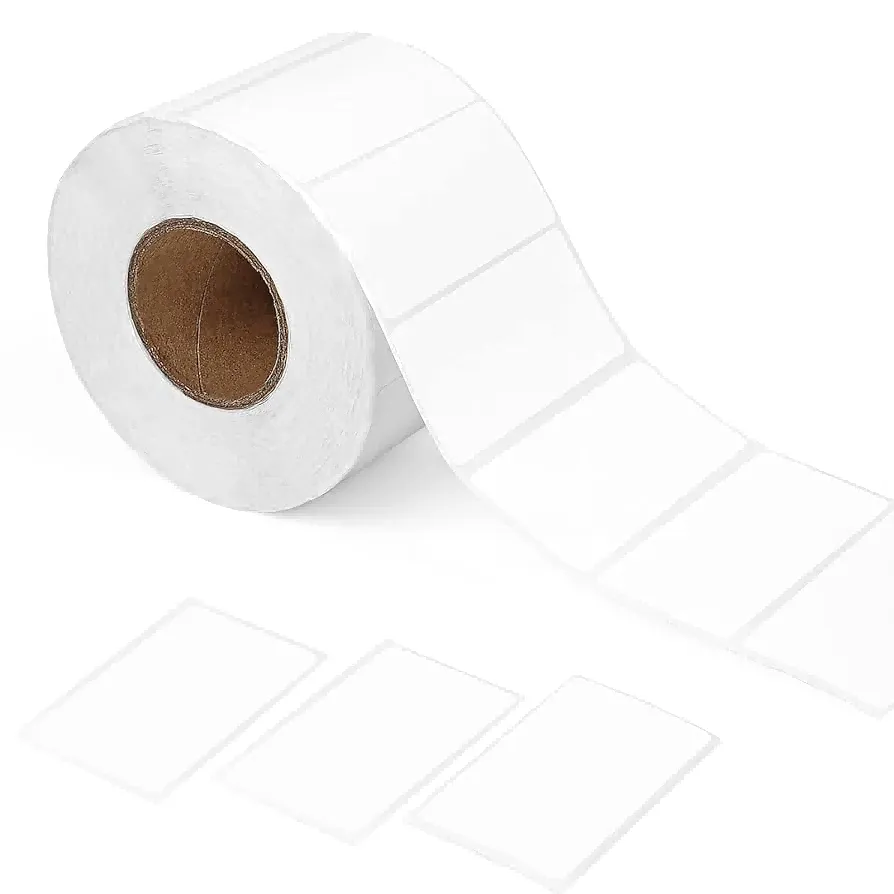
  • Packaging format: rolls or sheets; core size; roll direction; labels per roll
  • Proofing: digital proof + pre-production sample + approval workflow

Small detail, huge impact: for QR codes on an Energy Efficiency Label, request a test scan on multiple phone cameras (not just one). A code that scans in perfect lighting might fail in a warehouse aisle under harsh LEDs.


Quality Checks That Prevent Costly Reprints

Most label failures are preventable with a short test routine. Before mass production (and again before packing), run these checks:

  1. Adhesion test: apply to the real surface, wait 24 hours, then test edge lift.
  2. Rub test: simulate handling (gloves, cartons rubbing, stacking friction).
  3. Temperature exposure: check curl, shrink, and adhesive behavior in hot/cold conditions.
  4. Moisture exposure: confirm print and lamination resist humidity or light splashes.
  5. Scan test: verify QR and barcodes at realistic distances and angles.
  6. Visual consistency: confirm the “big number” and rating cues remain legible.

These steps cost minutes. Reprinting a full batch costs weeks, plus the silent cost of customer trust. If your label supplier can provide consistent QC documentation, you’ll have a smoother path when distributors request proof of consistency.


FAQ

Q: How many times should I include “Energy Efficiency Label” in product communication?
A: Use Energy Efficiency Label where it helps clarity—product listing, packaging description, and manuals—without forcing it into every sentence. Consistency matters more than repetition.

Q: Why do customers distrust a label that looks “cheap”?
A: Because labels are one of the few things customers can evaluate instantly. Peeling corners, blurry print, or smudged numbers signal poor control, even if the product is fine.

Q: What’s the most common reason labels get rejected by distributors?
A: Mismatched model identifiers or unclear placement/readability. Distributors want fast verification and clean documentation.

Q: Should I use paper or film for an Energy Efficiency Label?
A: If the label sits on packaging and stays dry, coated paper may work. If it needs to survive shipping abrasion, humidity, or long-term handling, film materials (like PP or PET) often perform better.

Q: How do I reduce errors when we have multiple markets?
A: Treat label files as controlled versions, build a clear naming system (market + model + revision), and retire old stock immediately after updates.

Q: Can the label include QR codes and variable data?
A: Yes. Just specify scan requirements and verification goals early, and ensure the print method keeps edges sharp so the code remains scannable.


Final Notes and Contact

A strong Energy Efficiency Label reduces uncertainty. It helps buyers decide faster, helps sellers defend product claims, and helps everyone avoid avoidable disputes. The best labels don’t just “look compliant”—they stay readable, stay attached, and stay consistent with your documentation from the first shipment to the last unit on the shelf.

If you’re planning a new label program or upgrading materials to reduce peeling, smudging, and scan failures, Shandong JOJO Pack Co., Ltd. can help you choose the right face stock, adhesive, and finish for your real distribution conditions. Ready to tighten up your label performance and cut down on returns? Contact us to discuss your requirements and get a practical, production-friendly solution.

Back to top

Related News
Leave me a message
Mobile
+86-13306484951
Address
No. 665 Yinhe Road, Chengyang District, Qingdao City, Shandong Province, China
X
We use cookies to offer you a better browsing experience, analyze site traffic and personalize content. By using this site, you agree to our use of cookies. Privacy Policy
Reject Accept