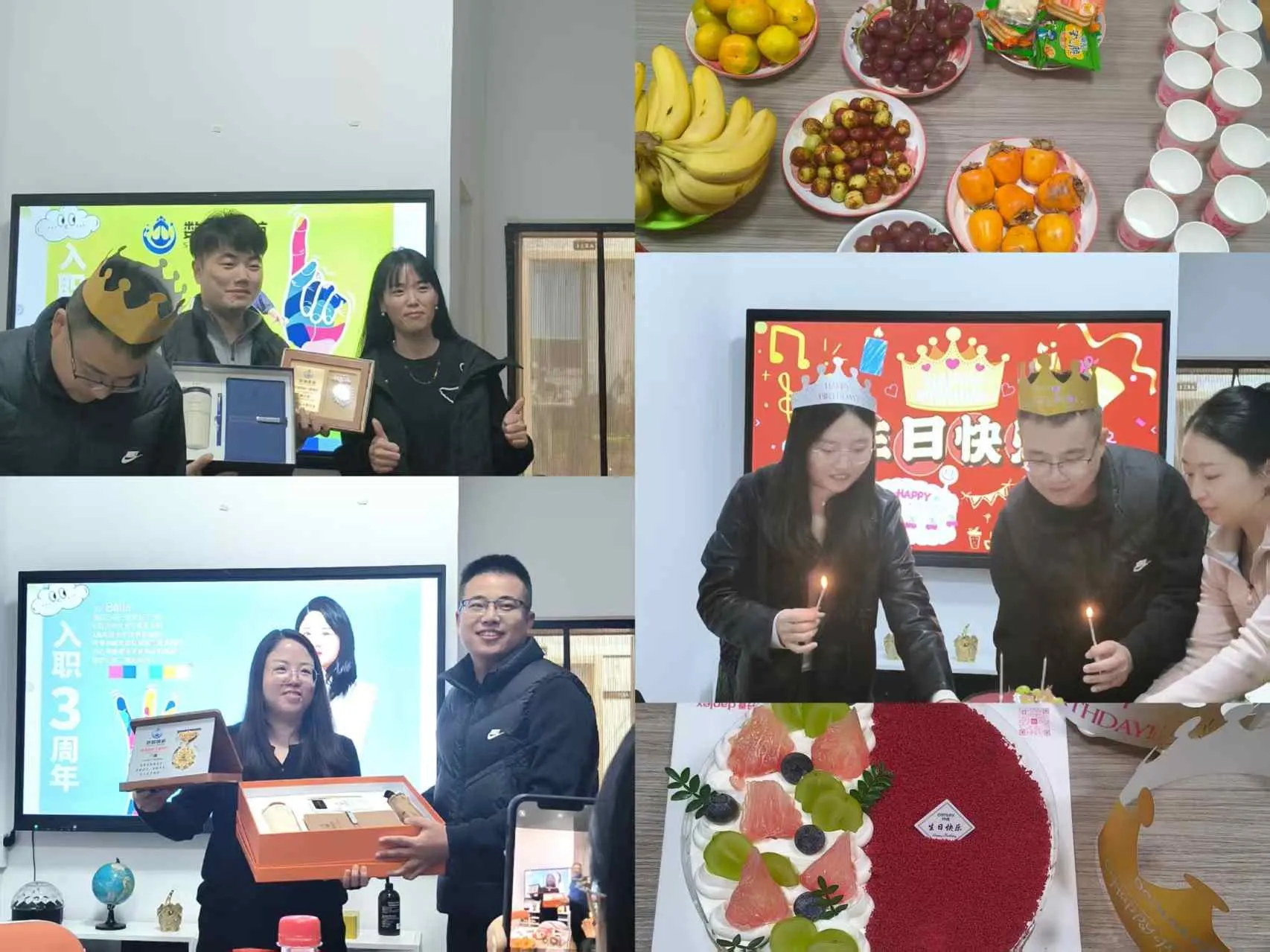
We are pleased to share with you the outcomes of our work, company news, and keep you updated on timely developments as well as the latest personnel appointments and departures.
Product identification, which we commonly understand as product labels, is the general term for the carriers of basic product information. Imagine a wide variety of products on the market. Besides distinguishing them by barcodes, what other factors can we use to differentiate them? Of course, the most important one is the product labels.
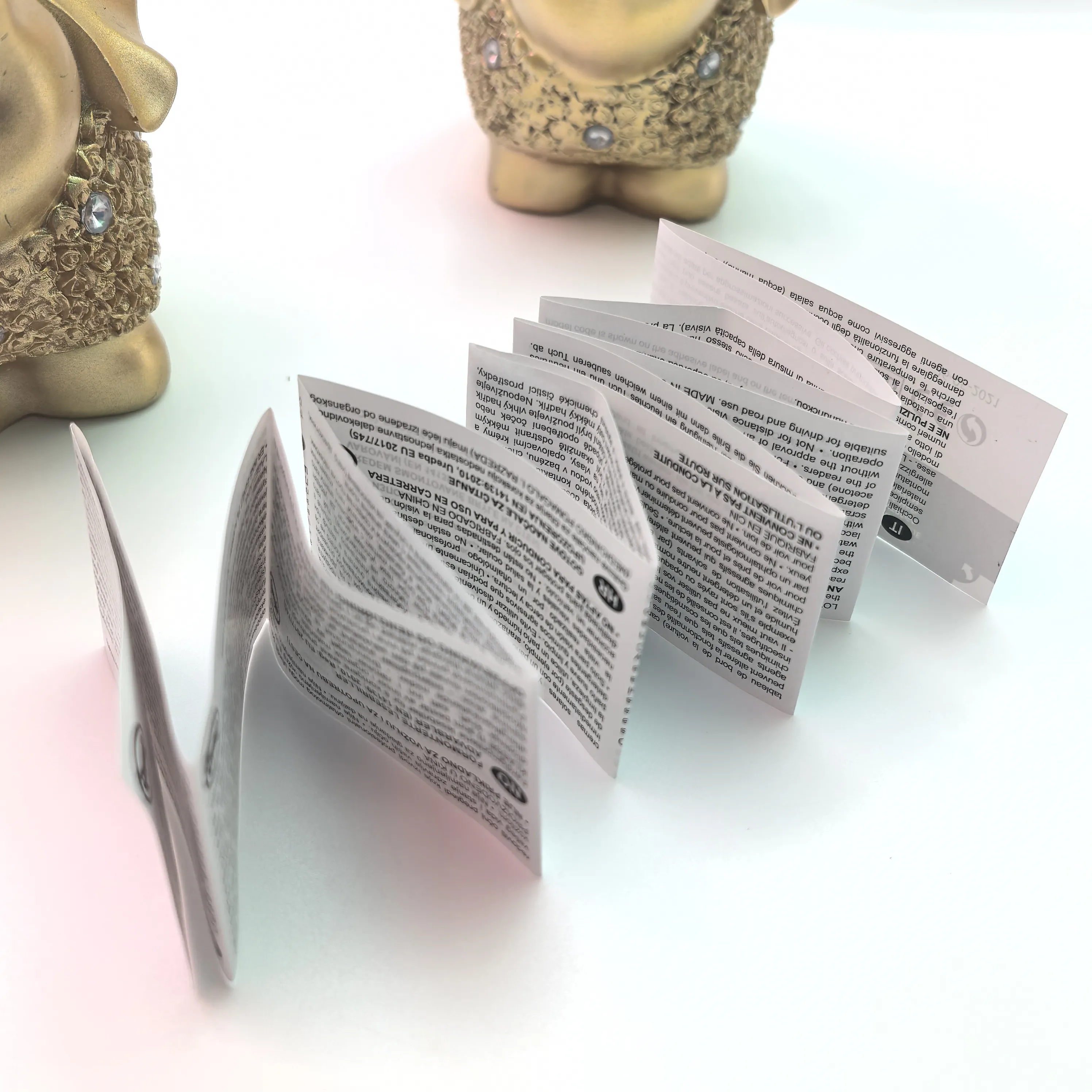
The multi-layer labels break away from traditional designs, saving space while being environmentally friendly. They also offer anti-counterfeiting features and meet consumers' right to know. They are widely used in industries such as medicine, food, and cosmetics. Abroad, they have become the mainstream, and in China, there is great potential.
Are you also curious about how the self-adhesive labels you usually use are made? In fact, it hides a mystery. It is composed of three layers of materials, and each layer has a unique function! Let's disassemble its structure today.
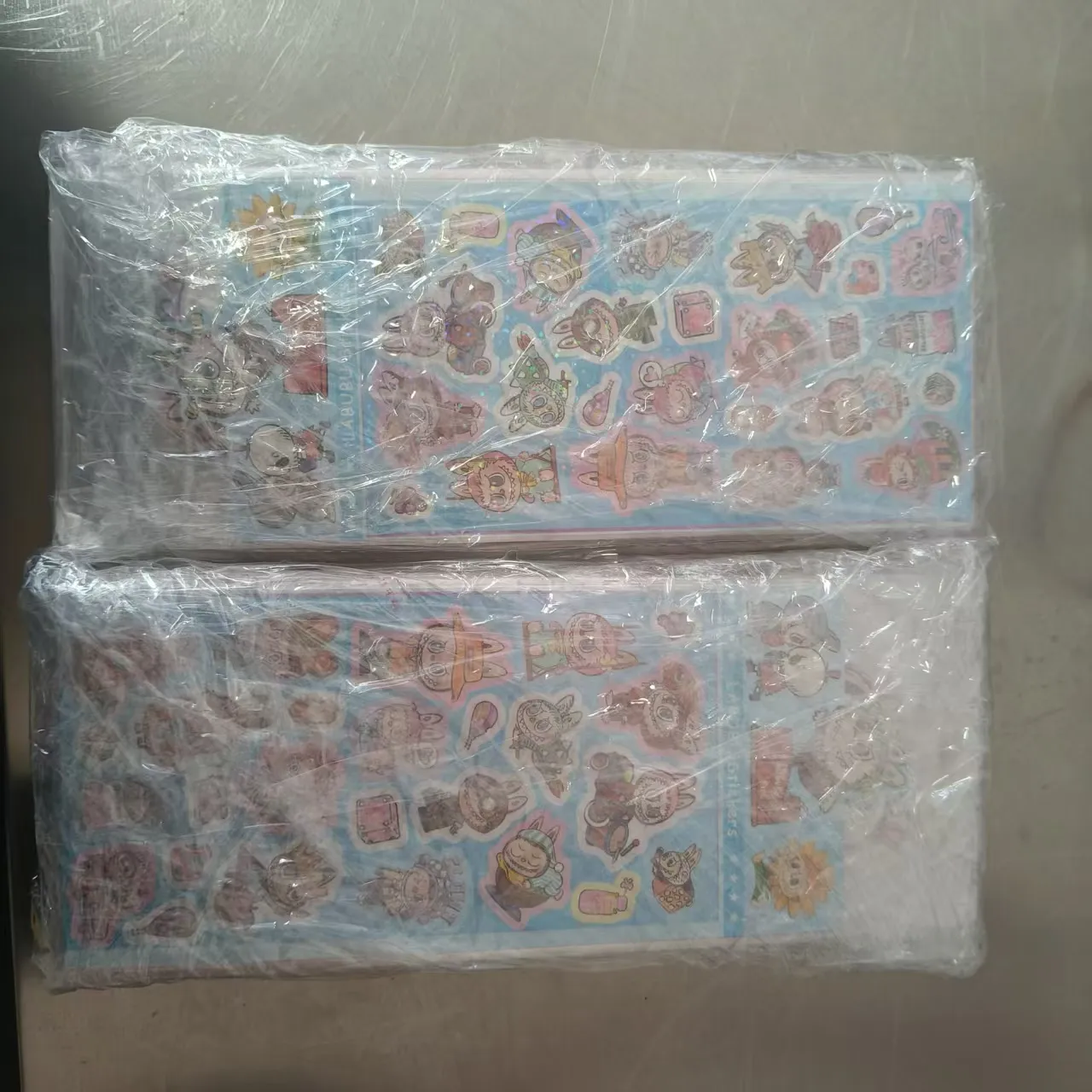
In the custom sticker industry, die-cutting (full cut) refers to the technique where the blade cuts through the entire sticker sheet, removing the excess material around each design, making every pattern an independent piece. Kiss-cutting (half cut), in contrast, involves cutting only the top layer of the sticker material without penetrating the backing layer, maintaining the sheet's overall continuity.
Crystal labels, also known as UV transfer stickers, are made by using a UV flatbed printer to spray white ink, varnish, and other materials layer by layer onto a crystal film with a backing adhesive. Then, a transfer film is applied, and finally, the pattern is lifted and transferred onto the outermost surface of the object using the film.
We use cookies to offer you a better browsing experience, analyze site traffic and personalize content. By using this site, you agree to our use of cookies.
Privacy Policy