Brochure labels, also referred to as multi-layer or folded labels, have become an indispensable solution for brands that require extensive on-pack information without compromising visual appeal. This article provides an in-depth exploration of brochure labels, focusing on how they function, how they are specified, and how they support compliance, branding, and consumer engagement across industries. Detailed product parameters, structured technical insights, and a comprehensive FAQ section are included to meet professional procurement and marketing requirements.
Outline
Introduction to Brochure Labels
How Do Brochure Labels Work in Practical Applications?
Technical Parameters and Material Specifications
How Brochure Labels Support Regulatory and Marketing Needs
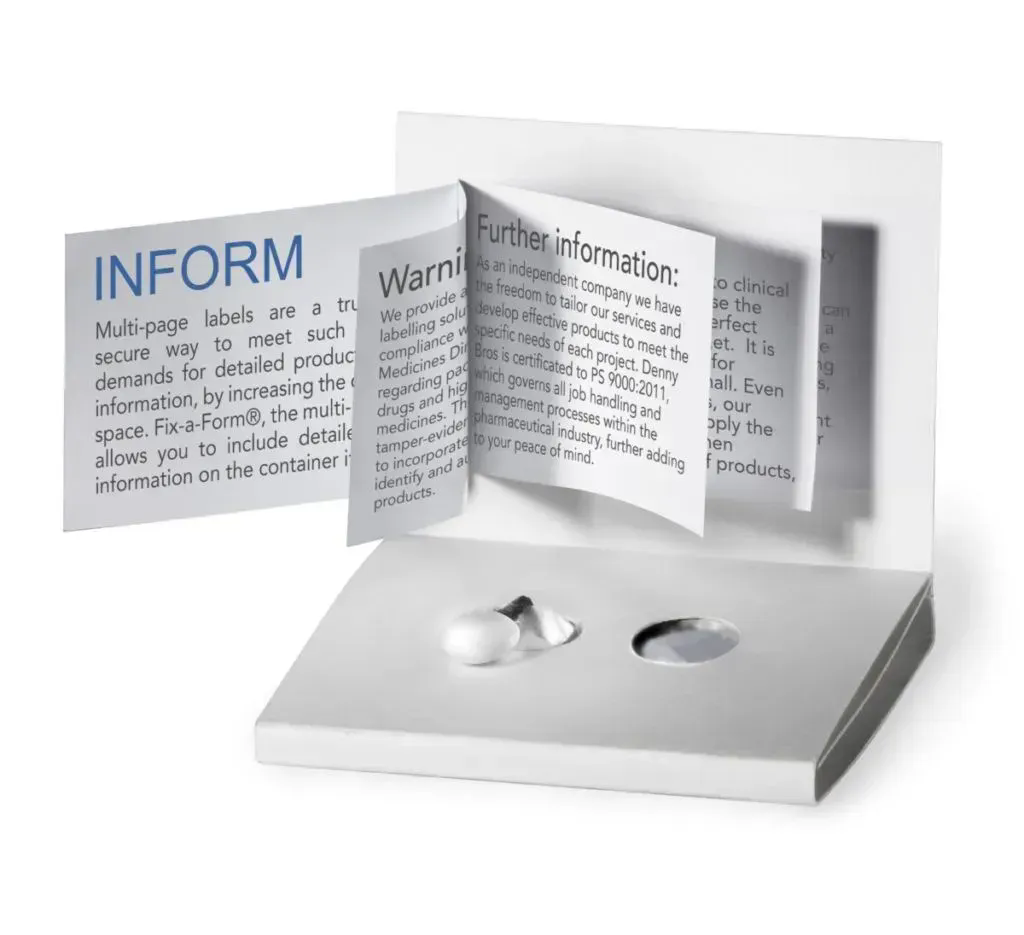
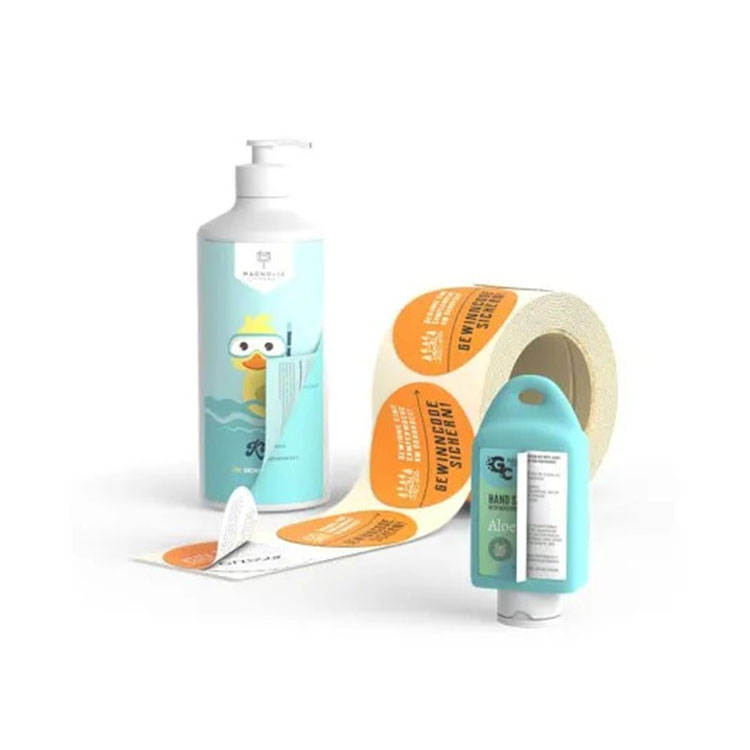
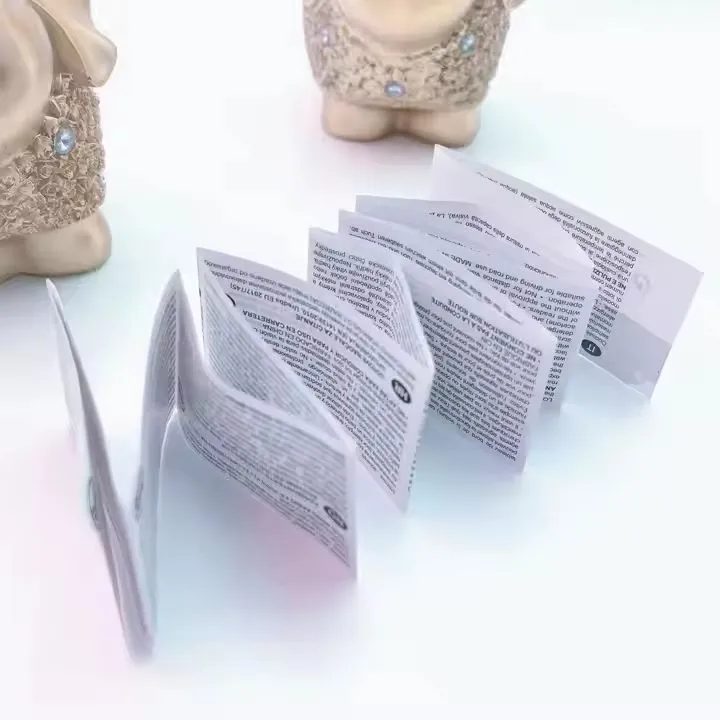
Brochure labels are specialized labeling solutions designed to provide expanded information within a limited surface area. By integrating multiple pages, folds, or layers into a single label construction, brochure labels allow manufacturers to communicate detailed instructions, regulatory disclosures, multilingual content, and brand storytelling directly on product packaging.
The central objective of brochure labels is to balance information density with readability and aesthetics. Industries such as pharmaceuticals, food and beverage, cosmetics, chemicals, and consumer goods increasingly rely on this format to meet compliance requirements while maintaining shelf impact.
2. How Do Brochure Labels Work in Practical Applications?
Brochure labels function by incorporating a base label adhered to the container and one or more additional layers that can be opened, unfolded, or resealed. These layers are engineered to withstand repeated handling while preserving legibility and adhesion.
In pharmaceutical packaging, brochure labels commonly contain dosage instructions, contraindications, and regulatory text. In food packaging, they are used to display nutritional data, allergen statements, and preparation guidance in multiple languages. For industrial and chemical products, safety instructions and compliance symbols are frequently embedded within brochure labels.
3. Technical Parameters and Material Specifications
Professional selection of brochure labels requires careful consideration of materials, adhesives, printing methods, and structural design. The following table outlines standard parameters commonly specified in commercial applications:
Parameter
Specification Range
Label Structure
2-ply, 3-ply, multi-fold booklet
Material Options
Coated paper, uncoated paper, PP, PE, PET films
Adhesive Type
Acrylic permanent, removable, freezer-grade
Printing Method
Flexographic, digital, offset
Finish
Gloss, matte, varnish, lamination
Application Method
Automatic labeling machines, manual application
These parameters ensure brochure labels perform consistently across diverse storage, transport, and usage conditions while maintaining compliance with industry standards.
4. How Brochure Labels Support Regulatory and Marketing Needs
Brochure labels address one of the most persistent challenges in packaging: limited space. Regulatory bodies often mandate extensive disclosures that cannot be reduced without risking non-compliance. By embedding this information into expandable formats, brochure labels enable brands to remain compliant without altering packaging dimensions.
From a marketing perspective, brochure labels create opportunities for storytelling, usage education, and cross-promotion. Consumers can access deeper product knowledge at the point of purchase, reinforcing trust and brand credibility.
5. Common Questions About Brochure Labels
Q: How durable are brochure labels during repeated opening?
A: Brochure labels are engineered with reinforced folds and high-tack adhesives to withstand multiple opening and closing cycles while maintaining adhesion and print clarity.
Q: How are brochure labels applied on high-speed production lines?
A: Brochure labels are compatible with standard automatic labeling equipment, provided the applicator is calibrated for label thickness and fold structure.
Q: How can brochure labels support multilingual packaging requirements?
A: By allocating separate panels or pages for each language, brochure labels allow clear and organized multilingual communication without overcrowding.
6. How the Brochure Label Market Is Evolving
The brochure label market continues to evolve in response to regulatory complexity, sustainability demands, and advancements in digital printing. Thinner materials, recyclable substrates, and high-resolution digital presses are reshaping how brochure labels are designed and produced.
Integration with smart packaging technologies, such as QR codes and variable data printing, is further expanding the functional scope of brochure labels across global markets.
7. Conclusion and Contact Information
Brochure labels represent a strategic packaging solution for brands seeking to combine compliance, functionality, and communication efficiency. Through precise material selection, structural design, and printing execution, brochure labels deliver measurable value across industries.
JOJO Pack has established itself as a reliable provider of brochure label solutions, supporting diverse application requirements with consistent quality and technical expertise. For organizations seeking tailored brochure label specifications, professional consultation is strongly recommended.
Contact us today to discuss custom brochure label solutions and explore how JOJO Pack can support your packaging objectives.
We use cookies to offer you a better browsing experience, analyze site traffic and personalize content. By using this site, you agree to our use of cookies.
Privacy Policy