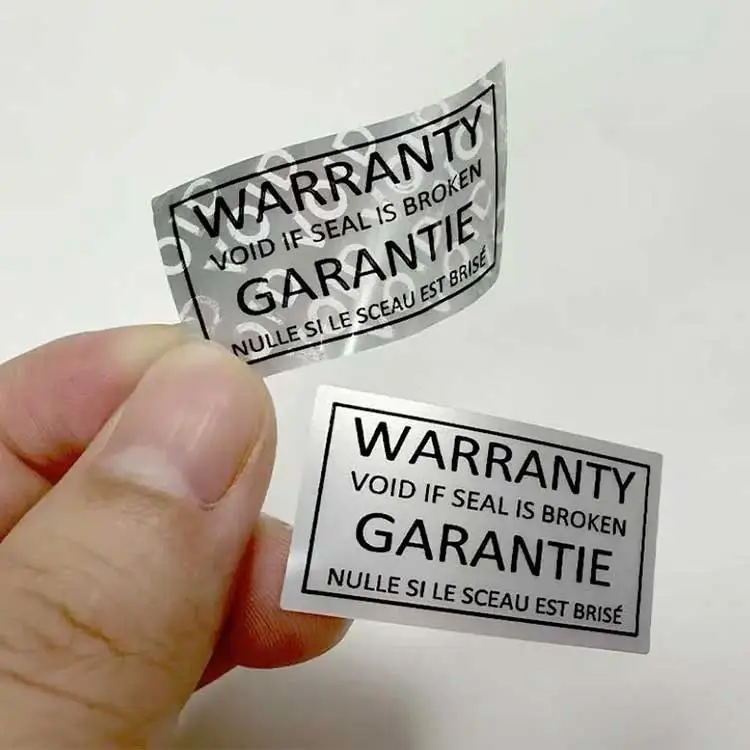
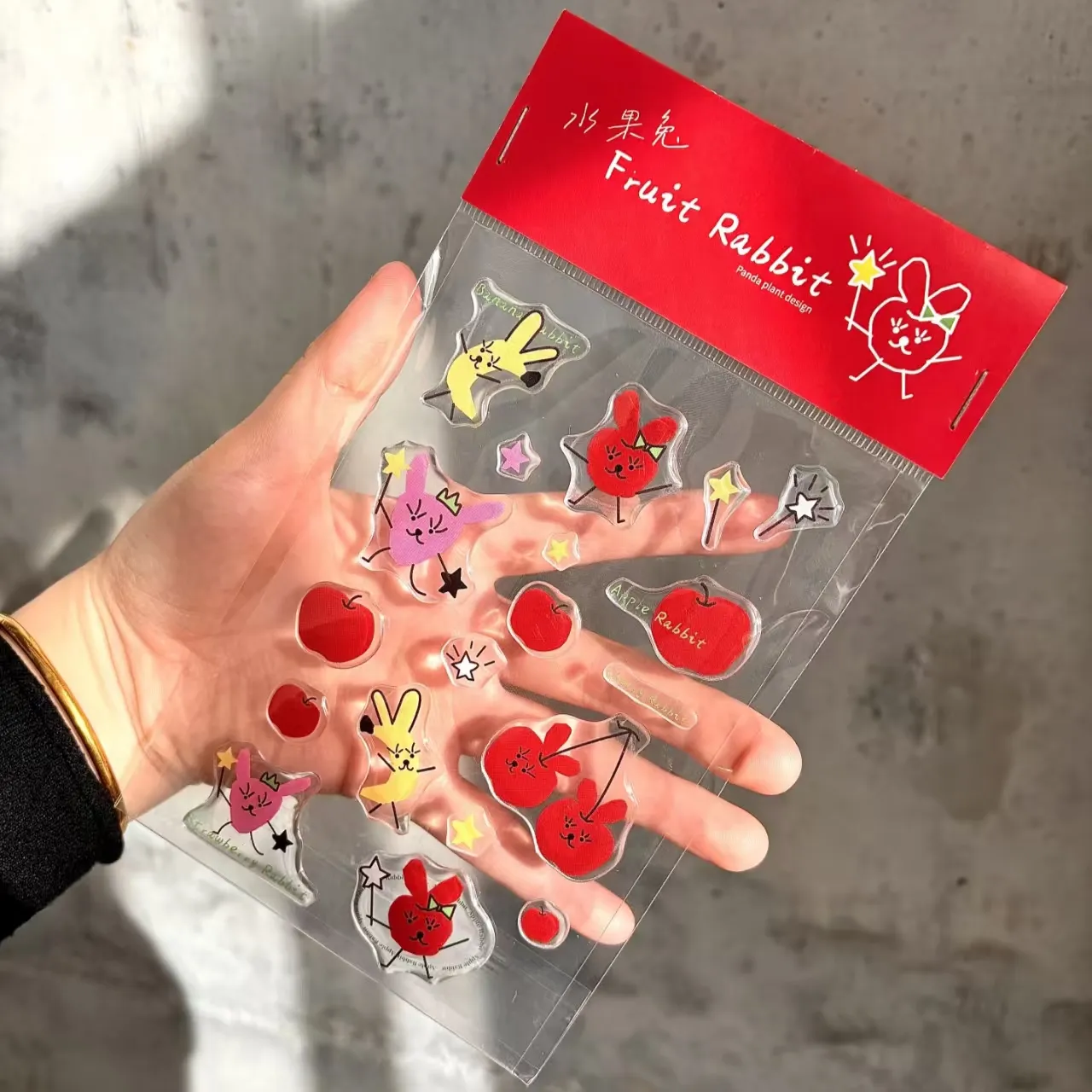
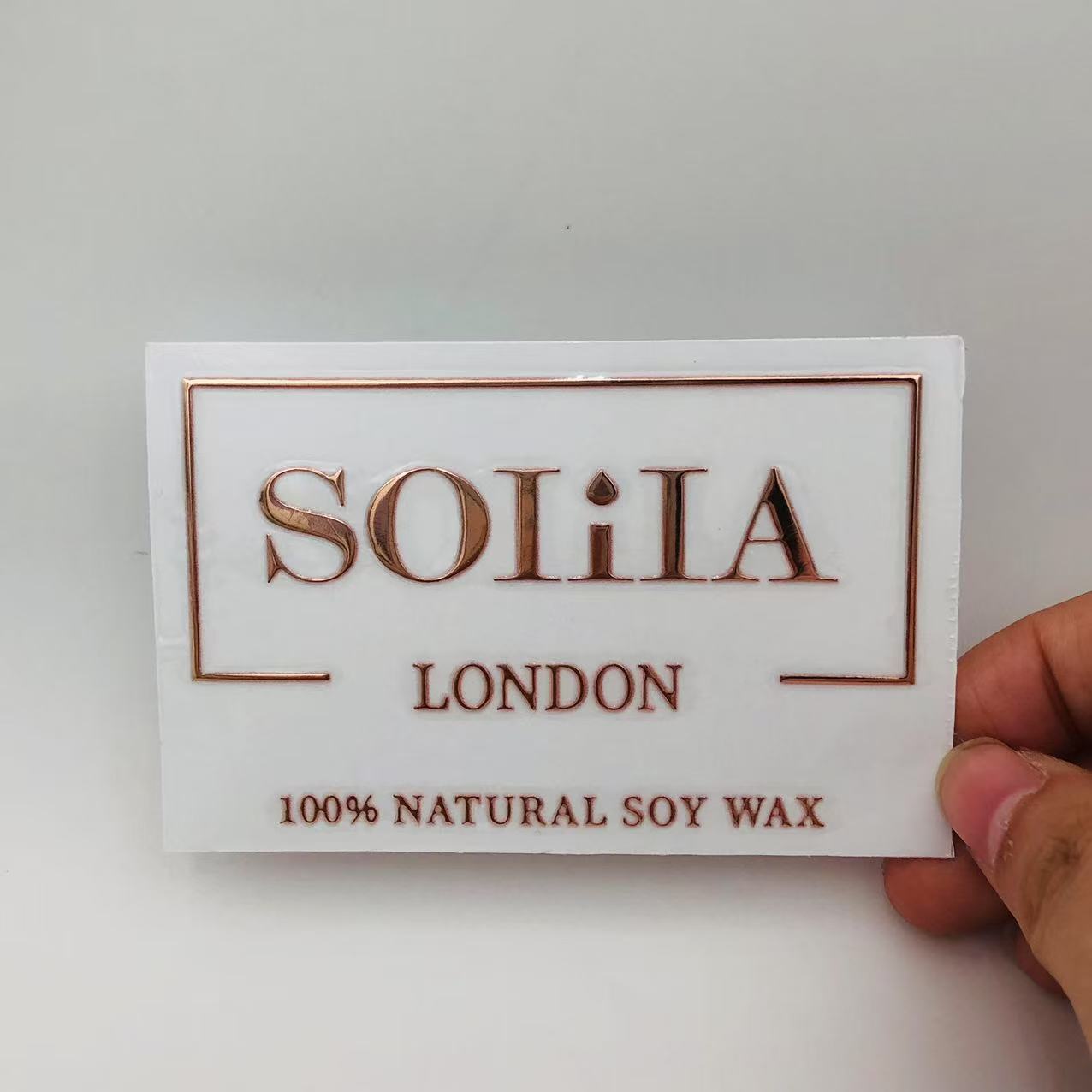
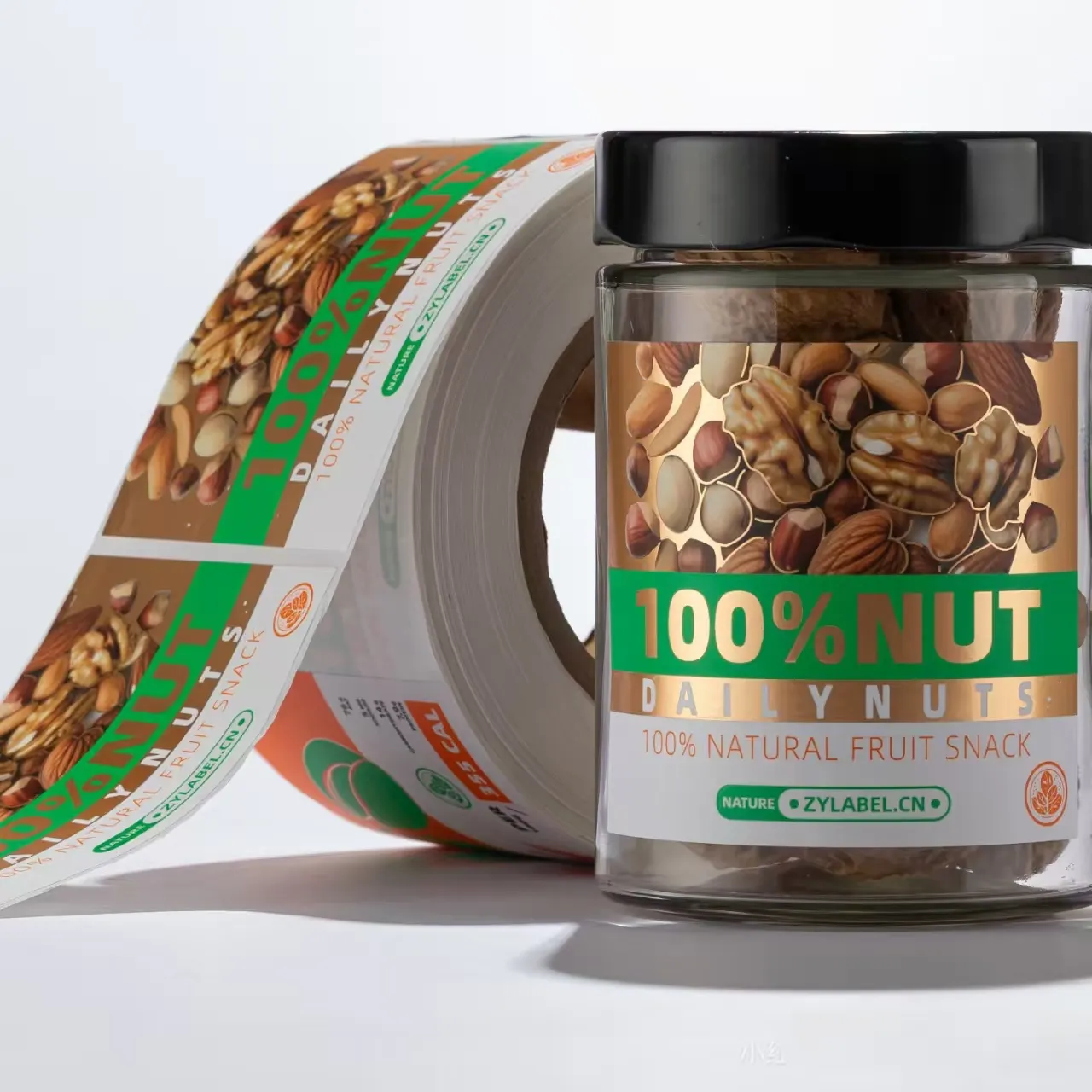
The first type is the brand label. The primary purpose of a brand label is to inform customers about who manufactures the product. It typically includes the brand name, logo, and a distinctive visual design.
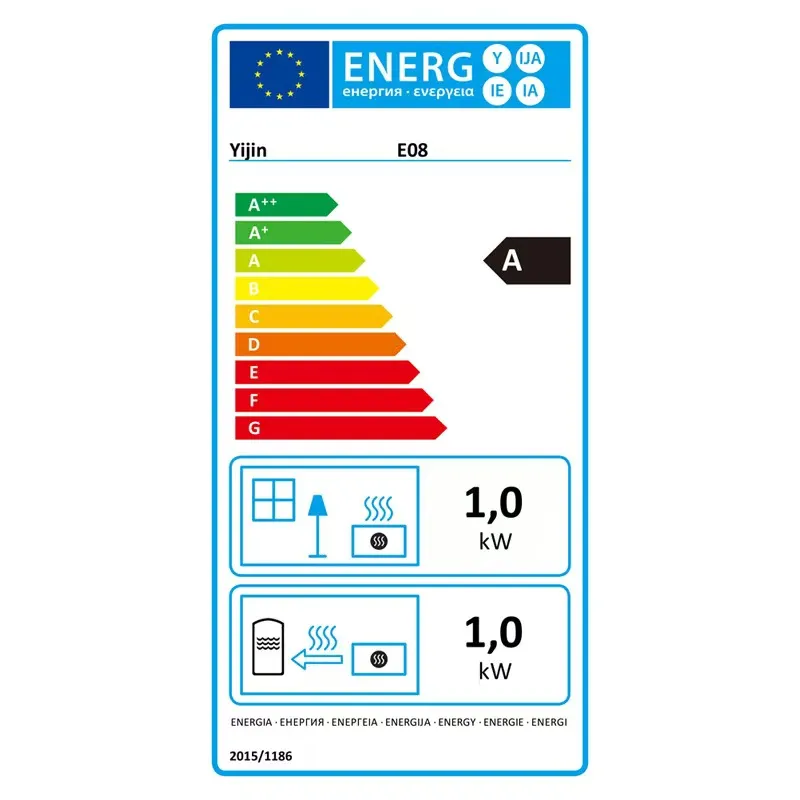
Shoppers want confidence. Brands want fewer returns and fewer “Is this legit?” questions. That’s exactly why an Energy Efficiency Label matters—not as a sticker you slap on at the end, but as a clear, durable, scannable piece of product communication that follows your product everywhere it goes.
A Wine Label is doing two jobs at once: selling the story at first glance and surviving real-world handling (cold rooms, condensation, scuffs, shipping, and shelf lighting).
JOJO Pack customized sequins children's shaker shakers designed to spark joy and foster creativity. Each shaker features a durable blister shell securely attached to a sturdy backing card. Inside the blister shell, sequins glide and shimmer with every movement.
In the competitive health supplement market, your product label is often the first point of trust between your brand and consumers. For vitamins, dietary supplements, and wellness products, a high-quality, informative label not only is a marketing tool, but also is a regulatory requirement and a key driver of customer confidence.
Wine labels play a significant role in improving the overall image and market competitiveness of the products. However, the specific techniques and expression methods chosen for a wine label should be determined based on the product's positioning, target audience, and design style.
We use cookies to offer you a better browsing experience, analyze site traffic and personalize content. By using this site, you agree to our use of cookies.
Privacy Policy